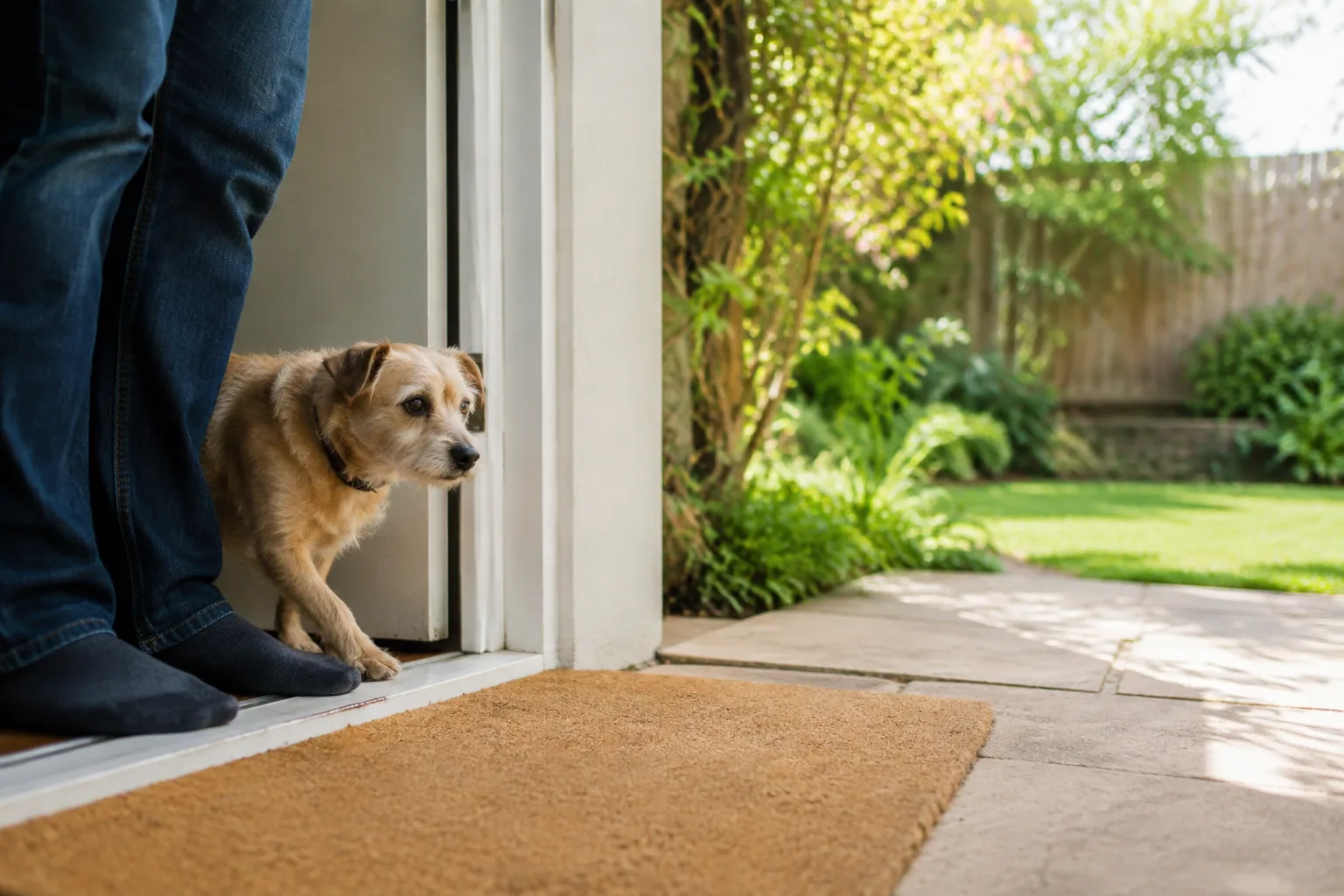
Preparing Your Dog for a Two-Week Boarding Stay
A longer boarding stay deserves more than a packed bag. Use this checklist to assess the facility, organize care details and make departure easier for both of you.
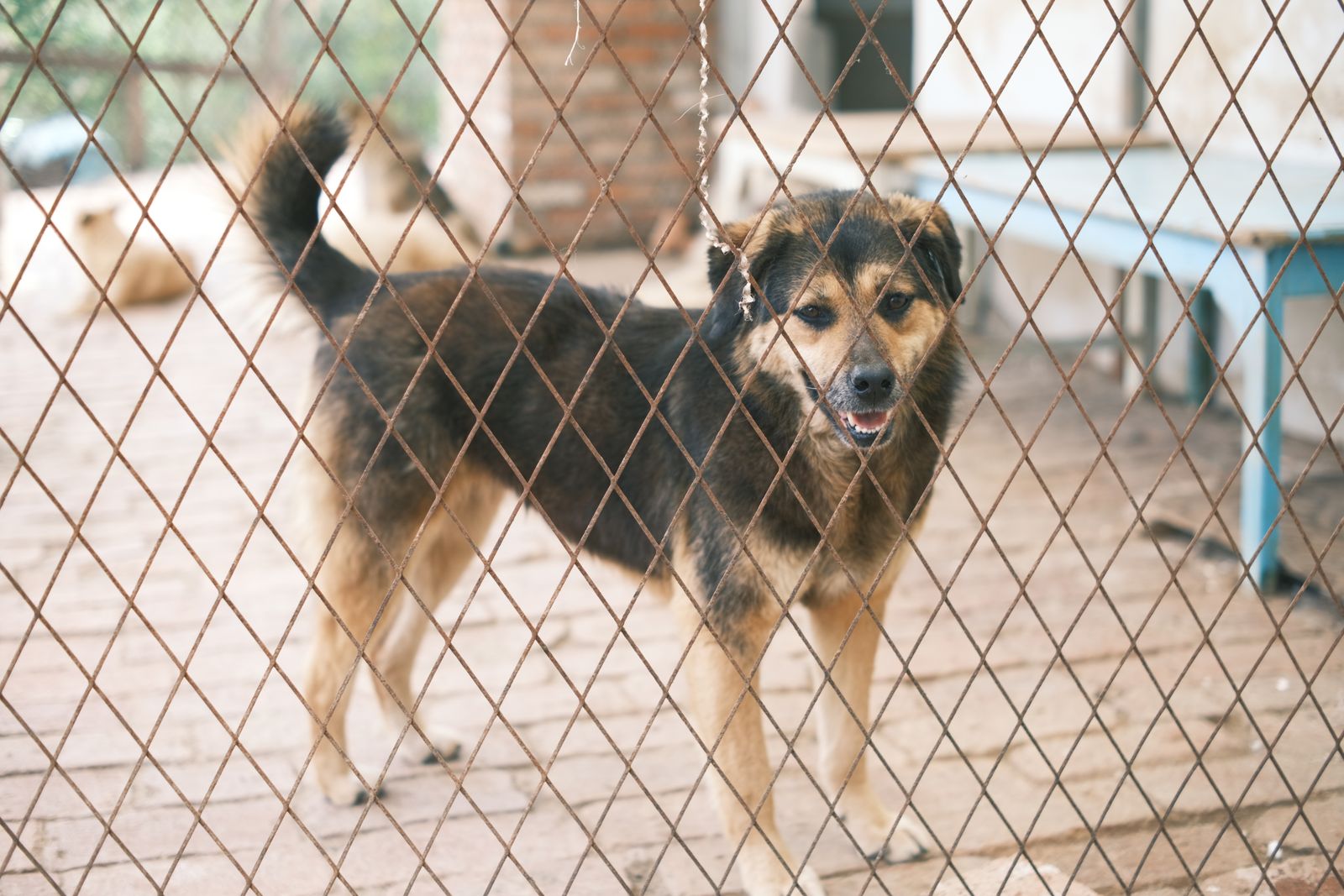
Photo by Mia X under the Pexels License.
Two weeks in boarding is a significant stretch of time, so the most useful preparation starts before you reserve a space. Visit the facility, ask specific questions about daily care and staff procedures, and prepare written information that another caregiver can follow without guessing.
Visit before you book
Choose a licensed facility with trained staff. During a visit, look for safe housing, an individual sleeping space for each dog, opportunities for exercise and enrichment, and a place where each dog can retreat. Ask how staff monitor behavior and keep care records.
Notice whether the facility can explain its routine clearly. Ask where dogs sleep, how exercise is arranged, what enrichment is available and how staff respond when a dog needs quiet time. A good fit is not only about how the building looks. It is also about whether the facility has a clear system for observing dogs and documenting their care.
Ask what information the facility needs before arrival. This may include veterinary details, identification, feeding instructions and medication directions. Confirm who will contact you if staff have a concern and which emergency contact can make decisions if you are unavailable.
Consider an introductory stay
If the facility offers a shorter trial stay, ask about using one before the two-week booking. This gives you an opportunity to learn how the arrangement works and to clarify any care instructions while you are still nearby. It also helps you decide whether this particular facility is suitable for a longer visit.
Keep the trial plan separate from wishful thinking. A brief stay does not guarantee that a longer stay will be problem-free. Treat it as a chance to gather information, not as proof that every detail of the holiday boarding plan will suit your dog.
Assemble the care information
Prepare a written packet for the facility. Include your dog's identification information, your veterinary details, emergency contacts and the name of a person who can be reached while you travel. Make sure the staff know how to reach you and what to do if you cannot respond promptly.
Write down your dog's usual food and feeding instructions. Sending the food your dog normally eats can make the routine easier for staff to follow. Include clear directions for any medications, along with the supplies needed to give them. Do not rely on a quick verbal explanation at drop-off; written instructions give the caregiver something to check during the stay.
Ask the facility how it wants supplies labeled and packaged. Confirm how much food and medication to bring, how they should be stored and what happens if the supply runs low. These details are facility-specific, so get the answer directly from the staff rather than assuming their process.
Pack familiar, useful items
Identification is part of the boarding preparation checklist. Pack suitable comfort items as well as the required food, medication and care information. A familiar item may help make the new setting feel less unfamiliar, but ask the facility what it permits before bringing anything that could be damaged or unsafe in shared areas.
Avoid sending a large collection of belongings. The goal is to provide practical supplies and a small number of appropriate familiar items that staff can manage and return.
Make departure calm and clear
Schedule enough time for a proper handoff. Give staff the written instructions, emergency contacts, veterinary details, food and medication, then confirm that they understand the important points. Tell them about any behavior information they need in order to monitor your dog safely.
Keep the goodbye low-key rather than turning it into a long, emotional event. Once the handoff is complete, leave the staff with the information they need to provide consistent care.
A two-week booking should be based on the facility's systems as much as on convenience. If staff cannot explain housing, exercise, enrichment, monitoring, records or emergency communication, pause before committing. The available guidance supports careful facility selection and thorough packing, but it does not establish that any one boarding arrangement will work for every dog. Your visit and the facility's answers remain essential.
Further reading & sources
Boarding Kennels - RSPCA ↗Things to Pack When Boarding Your Dog - American Kennel Club ↗Every dog is different. This is general information, not a diagnosis or treatment plan. Ask your veterinarian about individual health, diet, and supplement decisions.