
A Cause-First Worksheet for Excessive Dog Barking at Home
Track what happens before, during and after barking, then use the pattern to guide management, reward-based teaching and veterinary support when needed.
Explore practical, source-linked guides for everyday care, nutrition, puppy routines, training foundations, and senior-dog comfort. Search for a specific question or choose a topic below. Each story is written to help you notice useful details, understand the limits of general guidance, and prepare a better conversation with a veterinarian or qualified trainer when individual advice is needed.
Begin with the question you can describe most clearly. If the issue is new, record when it began and whether anything changed in your dog's food, household, exercise, sleep, or medication. Search for the observable detail, such as pacing at night, loose stool after a food change, or difficulty settling, instead of starting with a diagnosis. The resulting guide can help you organize the facts and decide which professional is best placed to help.
Use the topic filters when you want a broader view. Everyday care covers routines and the home environment. Nutrition explains food labels, portions, storage, and comparison methods. Puppy days focuses on supervision, social learning, and training foundations. Senior dogs covers comfort and age-related changes that deserve careful observation. Articles may overlap because food, behavior, comfort, and health often affect one another, so follow the related links when the first guide only answers part of your question.
Check the sources at the end of each article, especially before using health, diet, supplement, or treatment information. Our guides are educational and cannot account for an individual dog's examination, history, allergies, medications, or laboratory results. Sudden or severe symptoms, possible poisoning, breathing trouble, collapse, repeated vomiting, uncontrolled bleeding, or intense pain need prompt veterinary attention rather than further online research.
Treat search results as a starting point rather than a diagnosis or a shopping list. Compare the article's scope with your dog's age, size, health history, current diet, and medications. Save the source links you want to discuss, and write down anything that remains unclear. If two guides appear to conflict, check their dates, definitions, and intended populations before deciding that one is wrong. A careful question supported by a short record is usually more useful than making several changes at once and losing track of what helped.
12 stories in everyday care
Track what happens before, during and after barking, then use the pattern to guide management, reward-based teaching and veterinary support when needed.
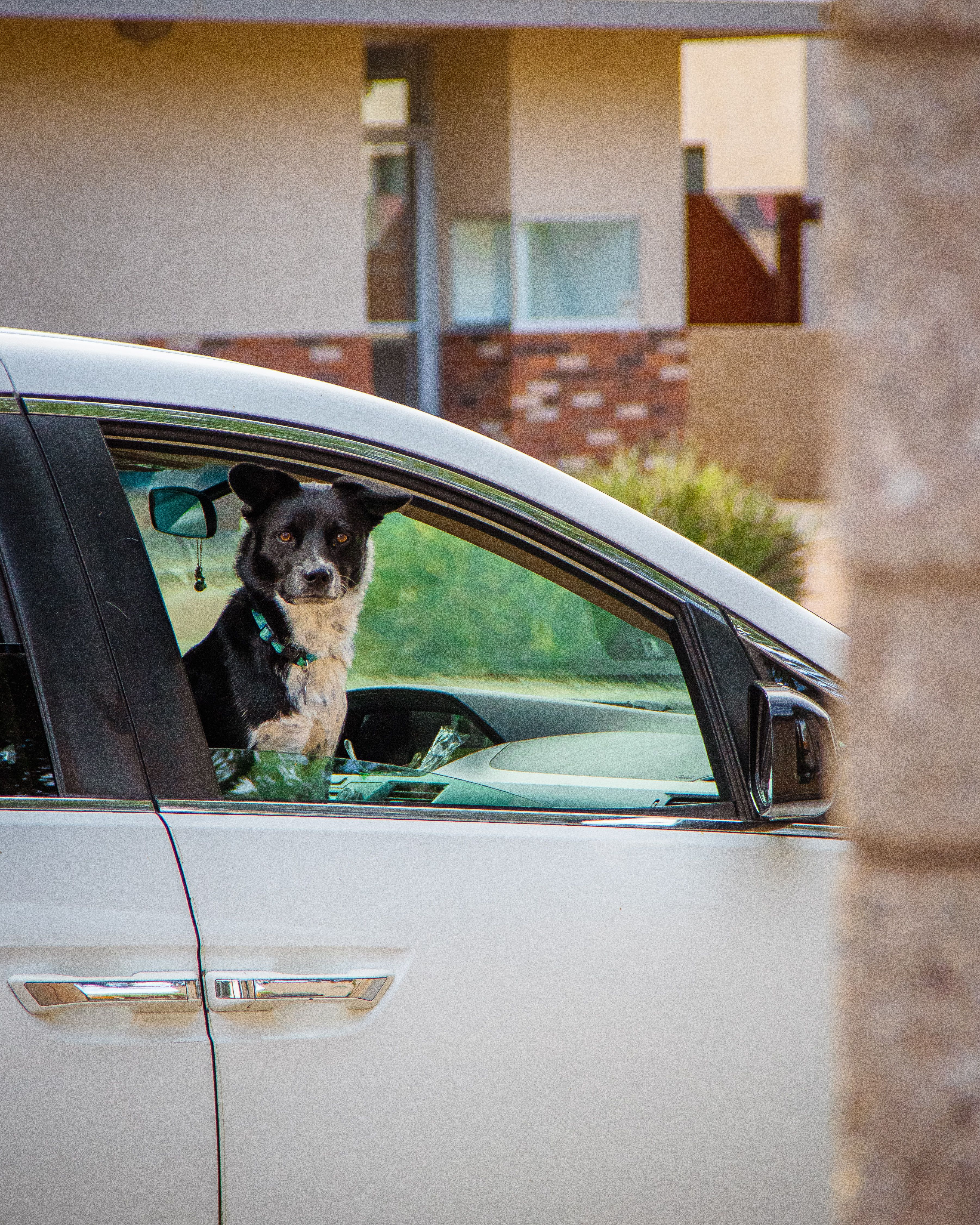
Whining and pacing can point to motion sickness, anxiety, or both. Learn how to start with calm stationary sessions, build up gradually, and recognize when veterinary guidance is needed.

A schedule change can unsettle a dog. Learn how to observe alone-time behavior, start with brief absences, and recognize when extra help is needed.

A coat-aware brushing routine can help manage loose hair during peak shedding weeks. Learn why double coats should generally remain intact and which changes call for veterinary attention.

Collars can catch on crates, fencing, branches and household fixtures. Use this simple check to separate identification needs from leash control and reduce avoidable snag hazards.

Use your dog's individual needs, the conditions outside and early warning signs to decide whether a warm-weather walk should happen, be shortened or replaced with indoor enrichment.

A useful dog-care budget accounts for everyday supplies, preventive care, replacement costs and the possibility of a large unexpected bill.

Chewing is normal for dogs, but household damage can be reduced with a simple routine: find the pattern, remove tempting items, offer suitable alternatives, supervise choices and teach a calm trade.

Use this simple checklist to decide whether a Halloween costume suits your dog, then plan a calm trial and a quieter option for visitors and busy doors.

Use this dog-walker interview checklist to compare handling methods, insurance, emergencies, communication, route safety, and your dog's individual needs.

Build dog-training foundations with clear cues, timely rewards, thoughtful management, short sessions, and qualified help when behavior becomes unsafe.

Use this dog-care guide to establish identification, veterinary care, feeding, rest, training, household safety, and a sustainable daily routine.