A Go, Shorten or Skip Routine for Hot-Weather Dog Walks
Use your dog's individual needs, the conditions outside and early warning signs to decide whether a warm-weather walk should happen, be shortened or replaced with indoor enrichment.

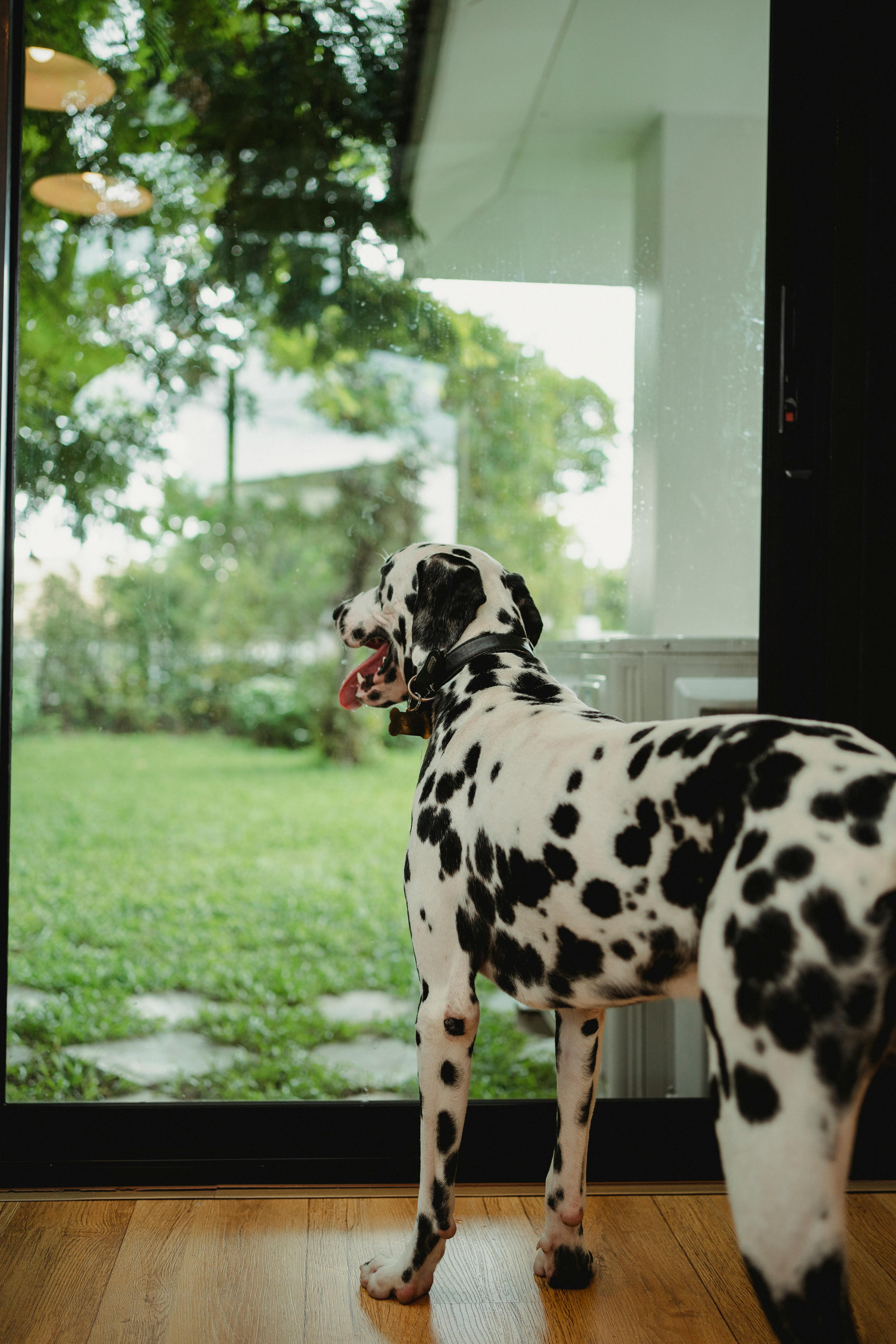
Photo by Serghey Savchuk under the Unsplash License.
Start with the dog, not a temperature chart
There is no single temperature that tells you whether every dog can walk safely. Heat tolerance varies with breed, coat, age, body condition and breathing anatomy. A walk that is manageable for one dog may be too demanding for another.
Take extra care with older dogs, overweight dogs and brachycephalic dogs. Their individual needs should carry more weight than a general temperature guide. If your dog already struggles in warm conditions, treat that as important information when deciding what to do today.
Choose: go, shorten or skip
Go carefully when conditions are manageable
A walk is more reasonable when you can choose a cooler time, especially early morning, and provide shade, fresh water and breaks. Plan a route that offers shaded areas rather than assuming the whole walk will feel the same. Keep watching your dog throughout the outing instead of relying on a fixed distance or a chart.
Fresh water should remain available. Never leave your dog in a car, even while you expect to be away briefly.
Shorten when the heat is building
If it is warm but your dog appears comfortable, make the outing shorter and keep the pace calm. Use shaded areas and take breaks. Avoid the hottest part of the day, when exercise is more difficult for dogs to tolerate.
Pavement also deserves attention. Hot surfaces can burn a dog's paws, so a route with less exposed pavement may be a better choice. If the available route is mostly hot pavement, shorten the walk or choose another activity instead.
Skip when it is very warm or your dog is struggling
A walk does not have to happen every day in extreme heat. Blue Cross advises skipping exercise when it is very warm or when a dog struggles in the heat. Skipping is a safety decision, not a failure to provide care.
Replace the outing with calm indoor activity. This can give your dog something to do while avoiding outdoor heat and hot surfaces. Keep fresh water available indoors as well.
Watch for warning signs during and after activity
Excessive panting, heavy breathing or dribbling can indicate heatstroke. Collapse is also an emergency warning sign. Do not wait for a walk to end or for your dog to recover on their own if these signs appear.
Move toward immediate cooling and contact a veterinarian urgently. Blue Cross advises cooling the dog while seeking veterinary help, without overcooling. A suspected heatstroke case needs urgent veterinary attention, including if the dog seems to improve after cooling.
A quick decision check before leaving
Ask yourself:
- Is this a cooler time of day, or am I heading out during the hottest period?
- Does this dog have extra heat-related risk because of age, body condition, coat or breathing anatomy?
- Can the route provide shade, breaks and access to fresh water?
- Will the surface include hot pavement that could burn paws?
- Has my dog shown difficulty coping with heat before, or are they already panting heavily?
If the answers raise concern, shorten the plan or skip the walk. There is no prize for completing a usual route in unsafe conditions. A calm indoor alternative, fresh water and close observation can be the more responsible choice on a hot day.
Further reading & sources
Blue Cross: How to keep dogs cool in the summer heat ↗Blue Cross: How to keep pets cool in summer ↗Every dog is different. This is general information, not a diagnosis or treatment plan. Ask your veterinarian about individual health, diet, and supplement decisions.