A Room-by-Room Collar Safety Check for Play and Crate Time
Collars can catch on crates, fencing, branches and household fixtures. Use this simple check to separate identification needs from leash control and reduce avoidable snag hazards.
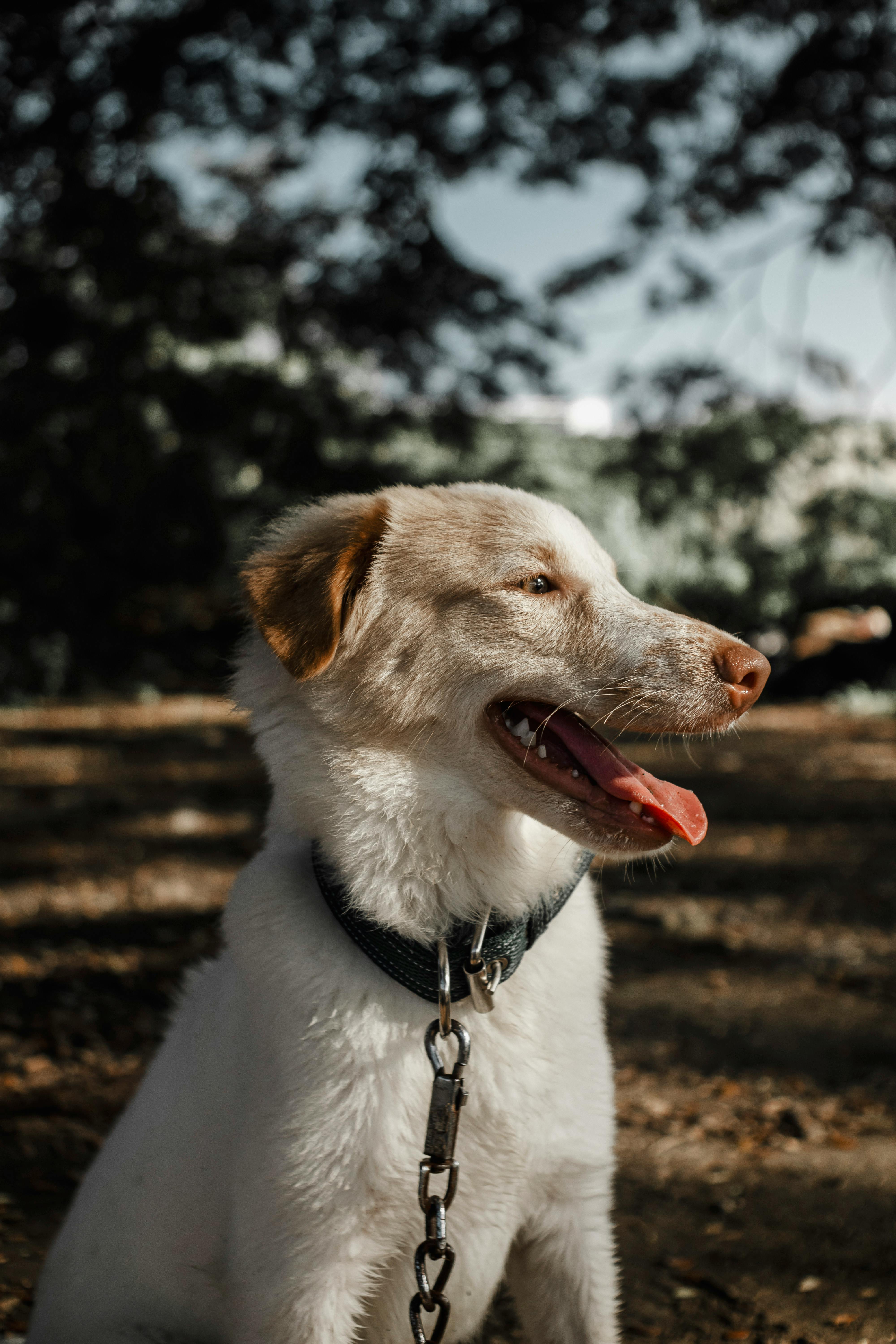
Photo by Ian Panelo under the Pexels License.
A collar can be useful for identification and can also serve as a point for leash attachment. Those jobs do not always belong together. When your dog is loose, playing or resting without supervision, the first question is not "Does my dog usually wear a collar?" It is "Could this collar catch on something here?"
The risk is not limited to one room. A collar can become entangled during play, in a crate or kennel, on fencing, on a deck, on branches or on household fixtures. A quick check of each space can make the safer choice easier.
The crate and kennel
Before leaving your dog unsupervised in a crate or kennel, look at the collar as a possible snag point. The crate itself is an enclosed setting where a collar can catch, and VCA identifies crates and kennels among the situations in which a flat collar may become entangled.
If the crate is being used for unsupervised time, remove the collar when it creates an avoidable hazard. This is a situation where identification and restraint need to be considered separately: keeping identification information on a dog does not require leaving a potentially catchable collar on during every confined rest period.
The play area
Rough play can pull, twist or catch a collar. That applies to play with another dog and to spaces where a dog may move quickly around fixed objects. The American Kennel Club specifically identifies wrestling with other dogs as an entanglement risk.
Before play begins, scan for anything that could catch a collar. If the play is unsupervised or the setting contains a snag hazard, remove the collar rather than relying on routine. During supervised play, continue watching the environment, since a collar can catch on more than another dog's mouth or collar.
The yard, fence and deck
Outdoor areas deserve their own inspection. Fencing, decks and branches are all identified as collar-entanglement risks. Walk through the areas your dog uses and consider whether the collar could hook on, catch against or become trapped by one of these features.
If the yard includes a fence line, deck or low branches, do not treat outdoor access as automatically safe simply because your dog is familiar with it. Assess the environment each time conditions change, and remove the collar when the setting creates an avoidable snag hazard.
Around household fixtures
Inside the home, check the places where your dog moves, rests or plays near fixed objects. VCA notes that household fixtures can also entangle a flat collar. That makes a room-by-room scan worthwhile rather than focusing only on crates and fences.
Look at the collar's role before your dog settles in for unsupervised time. If the collar is there mainly for identification, ask whether it needs to remain on in a space with a catch point. If a leash is attached, the collar is also being used for restraint, which is a different situation and requires the correct attachment point.
If you use a breakaway design
A breakaway buckle is designed to release under pressure. That release can reduce the danger of a collar staying caught, but it does not make every use of the collar safe.
Pay close attention to where the leash is clipped. VCA warns that attaching the leash to the breakaway point can allow the dog to escape. The breakaway point must not be used as the leash attachment for walking. Follow the design's intended leash connection rather than clipping to the part that is meant to release.
A collar safety check is simple: inspect the crate, scan the play space, walk the fence and deck, look at branches and fixtures, and remove the collar when unsupervised time creates a snag hazard. Keep identification and leash control in mind as separate needs, and never turn a breakaway release point into a walking attachment.
Further reading & sources
VCA Animal Hospitals: Collar and Harness Options for Dogs ↗American Kennel Club: Could Your Dog's Collar Endanger His Life? ↗Every dog is different. This is general information, not a diagnosis or treatment plan. Ask your veterinarian about individual health, diet, and supplement decisions.