Dog Halloween Costume Comfort Checklist: Dress or Skip It?
Use this simple checklist to decide whether a Halloween costume suits your dog, then plan a calm trial and a quieter option for visitors and busy doors.
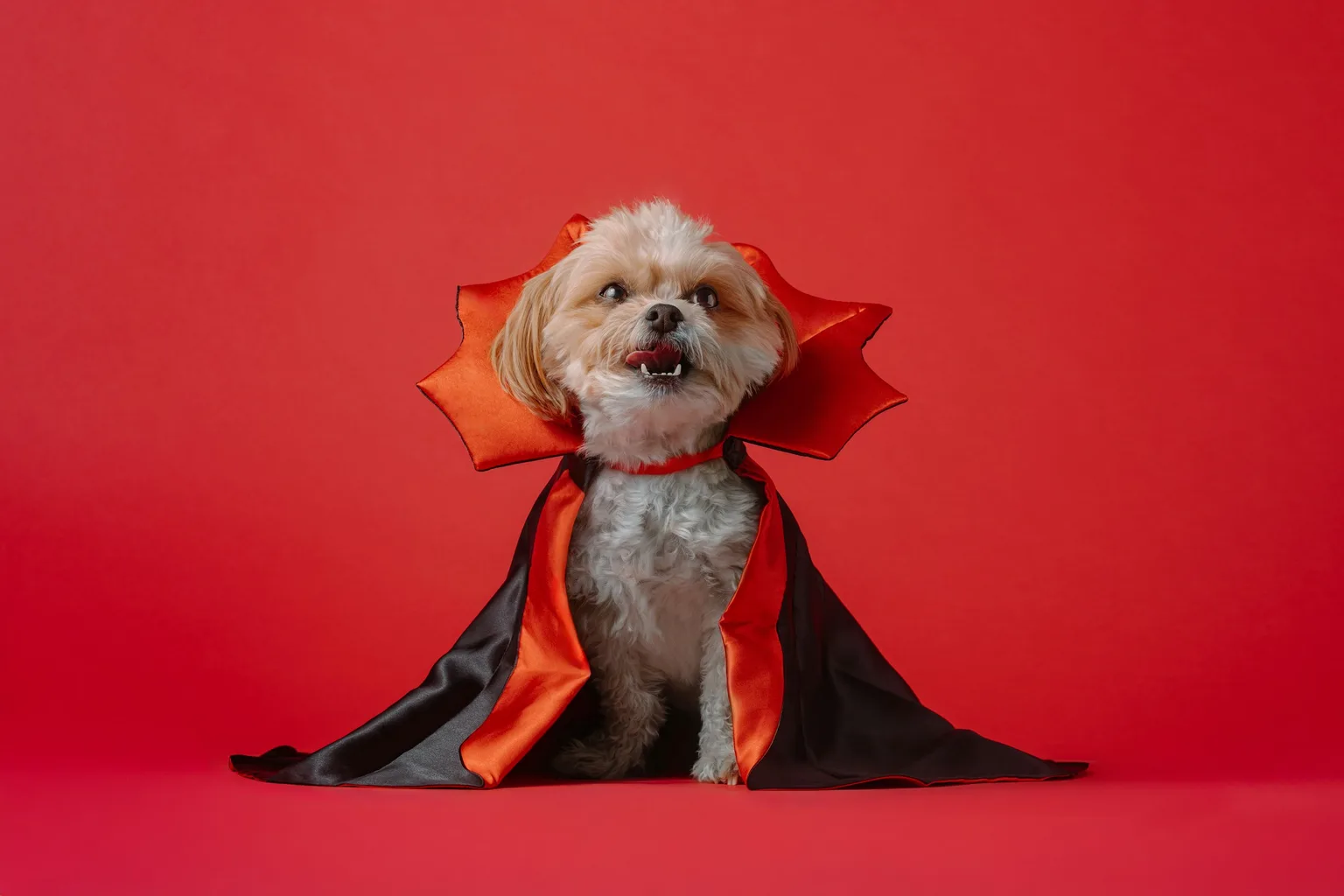
Photo by Karsten Winegeart under the Unsplash License.
A Halloween costume is optional. The useful question is not whether an outfit looks good in a photo, but whether your dog can remain comfortable and behave normally while wearing it. The ASPCA recommends costumes only for pets who enjoy them. For some dogs, the kindest choice is no outfit at all.
Start with a comfort decision
Before buying or putting on anything, consider whether your dog has shown that they can tolerate clothing. If your dog appears uncomfortable during a trial, do not treat continued wear as something they need to learn for the holiday. The ASPCA advises removing a costume when an animal is distressed.
A simple bandana may be an alternative if your dog tolerates it, but it is not a requirement. No costume is also a complete plan. Your dog's comfort matters more than getting a themed photograph.
Use this fit-and-safety checklist
If you decide to try an outfit, check each point:
- Movement: Your dog must be able to walk and move normally. Clothing should not restrict movement or be loose enough to catch on objects or the dog.
- Breathing: The costume must not interfere with breathing.
- Hearing and vision: Your dog should be able to hear normally and see without the outfit obstructing vision.
- Vocalization: The outfit should allow normal vocalization.
- Loose parts: Inspect for small dangling or chewable pieces. These can create a choking hazard.
- Identification: Keep identification in place beneath the costume.
Avoid elaborate or restrictive outfits that fail any of these checks. A costume that cannot pass the checklist is not a good match, regardless of how briefly it might be worn.
Make the trial calm and early
Try the outfit before Halloween rather than introducing it when visitors are already arriving. Keep the first trial calm and brief enough to observe your dog's response. Watch whether the costume interferes with movement, breathing, hearing, vision or normal vocalization, and look for signs of distress.
If your dog is uncomfortable, remove the outfit. You can then choose no costume or try a simple bandana only if your dog accepts it. An advance trial also gives you time to notice poor fit, dangling pieces or clothing that could catch before the holiday creates extra distractions.
Plan for the door and visitors
A costume decision does not solve the separate challenge of trick-or-treat traffic. If your dog is not comfortable with visitors, the ASPCA recommends using a separate comfortable room away from the activity. Familiar toys may be appropriate in that room. This gives you a no-costume, lower-traffic option for a dog who would rather avoid the doorway.
Before the evening begins, decide where your dog will be while the door is opening and closing. Keep candy and decorations out of reach. The ASPCA identifies chocolate and xylitol as hazards, so preventing access is part of the plan. If you suspect poisoning, seek immediate veterinary advice rather than attempting treatment yourself.
For a dog who will be outdoors after dark, maintain a secure leash and use a reflective collar. Identification should remain in place whether or not your dog wears a costume.
The best Halloween look may be a comfortable dog with no costume. If an outfit passes the fit checklist, your dog remains at ease during the trial and the evening is managed around their needs, wearing it may be reasonable. If any of those conditions fail, skip it without hesitation.
Further reading & sources
ASPCA: Pets in Halloween Costumes: Pro or Con? ↗ASPCA: Halloween Safety Tips ↗Every dog is different. This is general information, not a diagnosis or treatment plan. Ask your veterinarian about individual health, diet, and supplement decisions.