How to Build a Realistic Dog-Care Budget
A useful dog-care budget accounts for everyday supplies, preventive care, replacement costs and the possibility of a large unexpected bill.

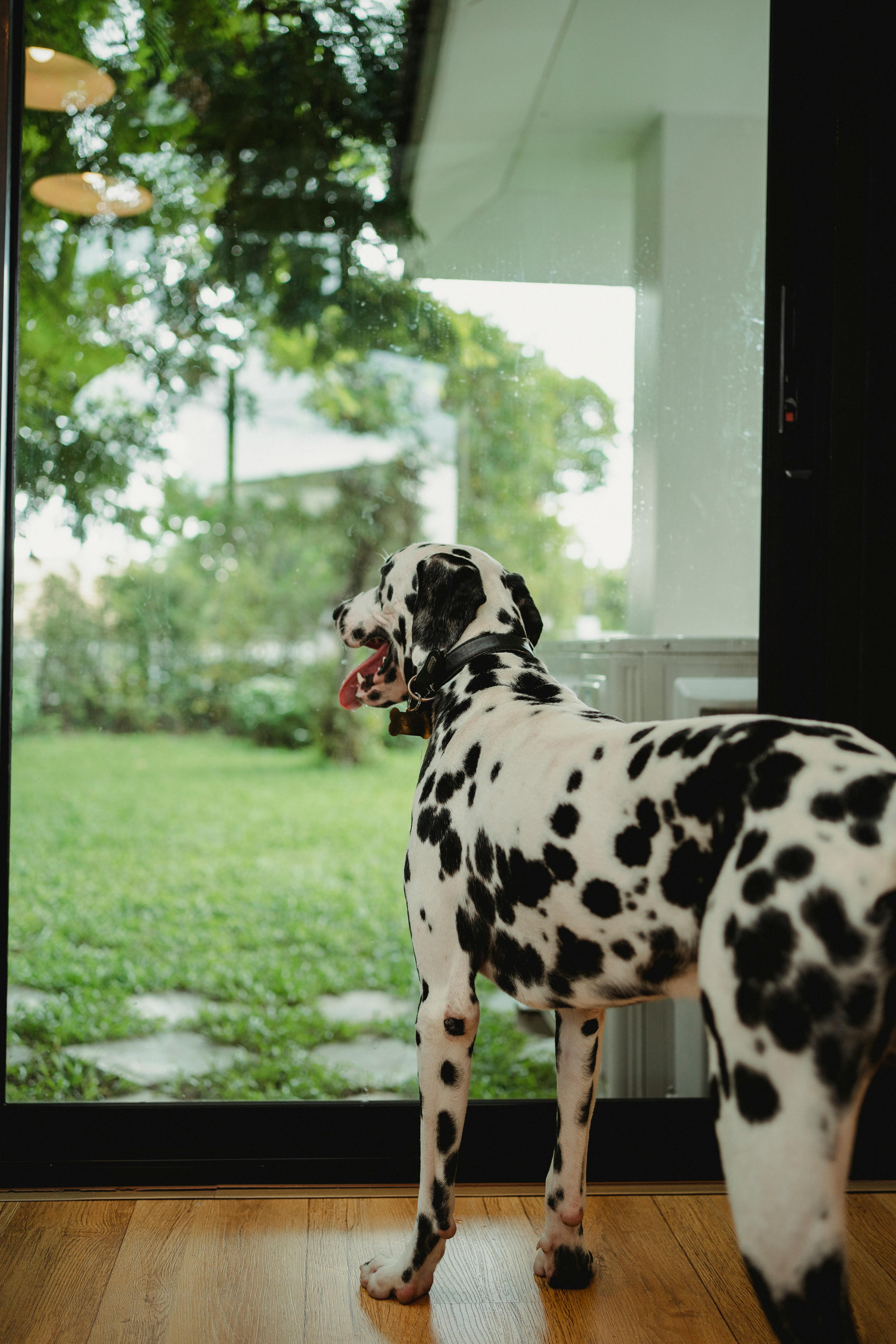
Photo by Marco Palumbo under the Unsplash License.
A dog-care budget is more useful when it reflects the whole year, not just the next bag of food. Start with a simple list of what your dog needs regularly, what must be replaced occasionally and what could arise unexpectedly. Then turn that list into monthly amounts you can review and adjust.
Begin with the predictable costs
Create a recurring-cost section for expenses such as:
- Food
- Preventive treatment
- Insurance, if you choose to compare it
- Routine health checks
- Waste bags
- Toothpaste
- Toys and other regular supplies
PDSA notes that food, preventive treatment, insurance, toys, waste bags, toothpaste and routine health checks can all belong in a dog-care budget. The amount will depend on the dog, including factors such as size. A sample figure from PDSA should therefore be treated as an illustration, not a universal price.
Write down the amount you currently spend for each item. If a purchase happens every few weeks or several times a year, convert it into a monthly estimate. For example, add the expected cost for the year and divide it by 12. This creates a monthly set-aside even when the bill itself arrives less often.
Add the costs that do not arrive every month
Make a second list for initial supplies and irregular replacements. A new dog may need supplies at the beginning, while collars, beds, toys or other items may need replacing later. PDSA distinguishes initial supplies from recurring care, which makes them easier to plan separately.
You can also add personal categories that apply to your household, such as grooming or training. Keep these as separate lines rather than hiding them inside a general “miscellaneous” amount. That makes it clearer which costs are essential, which are occasional and which can be changed if your circumstances shift.
For each irregular item, record three details:
- What the item is.
- How often you expect to pay for it.
- The amount you want to set aside each month.
Review these estimates after a few months. Your own receipts are more useful for your personal budget than a general example, especially because published sample figures can vary by dog size and may exclude illness, injury and special diets.
Treat preventive care as a planned expense
Routine health checks and preventive treatment should not be left out simply because your dog appears well. ASPCA recommends regular preventive care, and PDSA includes routine health checks and preventive treatment among the costs of owning a dog.
Keep these costs visible in the budget rather than treating them as surprises. If your dog's needs change, update the relevant line instead of relying on an old estimate. Special diets and care for illness or injury may not be included in general sample budgets, so do not assume an everyday estimate covers them.
Make a plan for a large unexpected bill
A monthly budget should include a separate emergency plan. One option to compare is building savings specifically for unexpected care. Another is comparing pet insurance while your animal is healthy. ASPCA advises owners to read insurance exclusions carefully, since the details of a policy matter. This is a comparison point, not a reason to choose one financial product over another.
If a large bill would be difficult to manage, ask local shelters or veterinary practices whether assistance or payment options are available. Ask before an emergency if possible, so you know which questions to raise and which arrangements may exist in your area.
Use a simple yearly check-in
At the end of each year, total your recurring costs, irregular set-asides, preventive care and emergency contributions. Compare that total with what you actually spent. Then adjust the next year's plan for your dog's current needs.
There is no single reliable dog-care total for every household. The available published figures are illustrative, vary by dog size and leave out some illness, injury and special-diet costs. A realistic budget is therefore less about finding one perfect number and more about naming each category, preparing for uneven bills and revisiting the plan as your dog's needs change.
Every dog is different. This is general information, not a diagnosis or treatment plan. Ask your veterinarian about individual health, diet, and supplement decisions.