How to Clean a Dog's Ears Safely
Routine ear cleaning is not necessary for every dog. Learn how to recognize when cleaning may be appropriate, prepare your dog gradually, and know when ear problems need veterinary attention first.
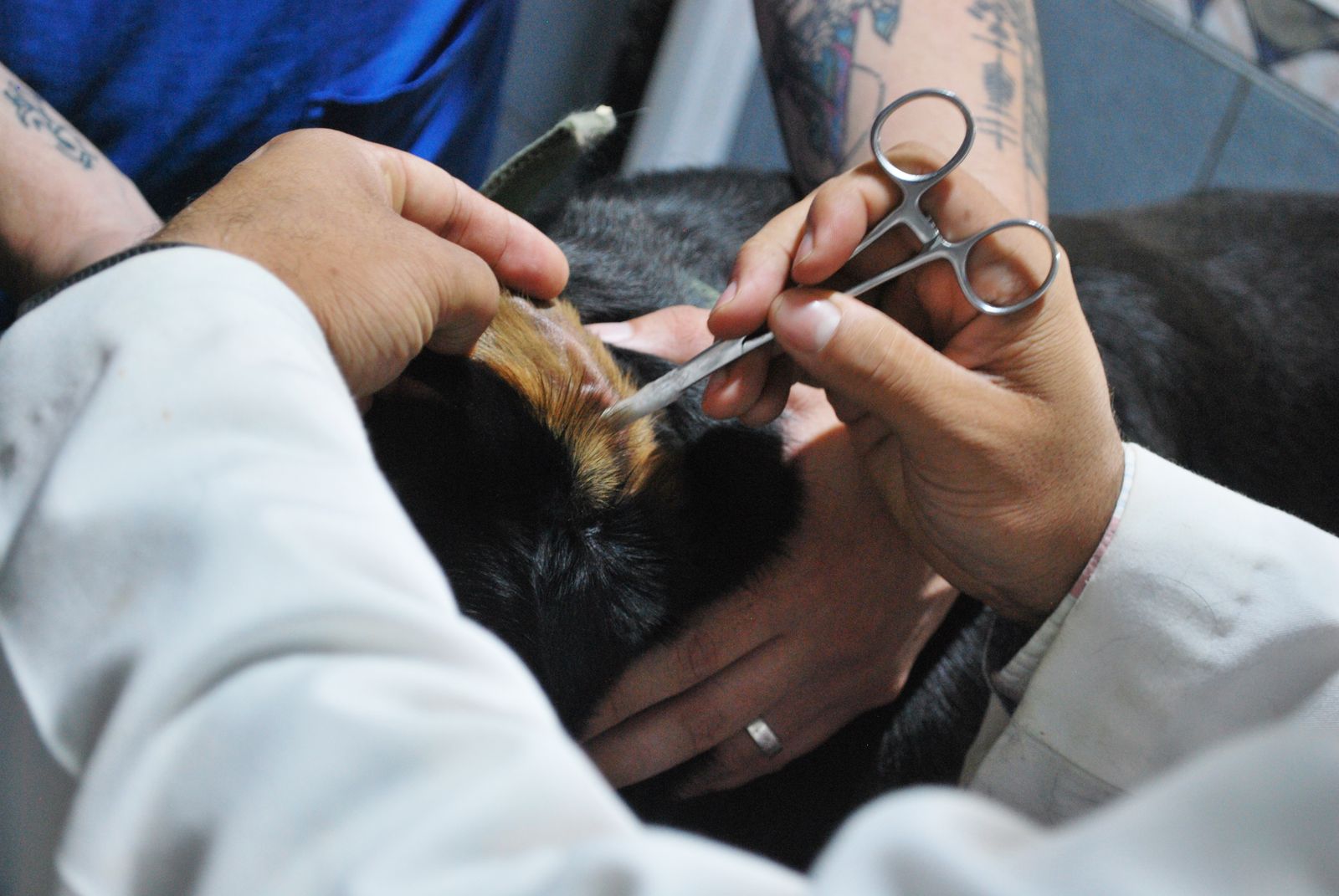
Photo by Ermelinda Maglione under the Pexels License.
Start with a check, not a cotton swab
Not every dog needs routine ear cleaning, and cleaning too often can irritate the ear canal. Before reaching for a cleaner, look at the visible part of each ear and note any odor, discharge, redness, swelling or signs of pain. These changes can mean the ear needs veterinary assessment rather than home cleaning.
If the ears look healthy but you are unsure whether your dog needs cleaning, ask your veterinarian about an appropriate schedule. The right routine can vary between dogs, so a fixed cleaning timetable is not suitable for every pet.
Choose the cleaner with your veterinarian
Use a cleaner recommended by your veterinarian. Avoid using alcohol or peroxide, which can irritate the ear. Do not put cotton swabs into the ear. A swab can make handling more uncomfortable and is not a safe substitute for a veterinarian-recommended cleaning method.
If your dog has red, inflamed or painful ears, do not try to solve the problem by cleaning first. Contact your veterinarian for advice. Cleaning a painful ear can increase distress, and the underlying problem needs assessment.
Make handling a gradual skill
Ear care is easier when your dog has learned that brief ear handling is safe. Start when your dog is calm and work in short sessions. You can begin by gently touching the outside of the ear, then pausing. Offer a treat after calm cooperation. Over time, build toward lifting the ear flap and handling the area near the opening.
Keep each step brief enough that your dog can remain comfortable. There is no benefit to forcing a longer session when your dog is worried. If fear increases, return to an easier step and try again later. If your dog shows pain or the fear escalates, stop and seek veterinary help rather than continuing to train through it.
A careful cleaning routine
When your veterinarian has advised cleaning and your dog is comfortable with the handling, have the recommended cleaner ready before beginning. Work calmly and keep the session short. Follow the product directions and your veterinarian's instructions rather than improvising with household liquids or tools.
Handle only what you can do without causing pain or a struggle. If your dog becomes distressed, stop. Cooperative handling is a safety issue for both of you, not simply a matter of getting the task finished. A gradual routine may take several sessions, especially if ear handling is new.
Afterward, keep track of how your dog responded. A clean ear should not become more painful or inflamed because of the process. If cleaning appears to cause discomfort, stop and contact your veterinarian.
Signs that change the plan
Odor, discharge, redness, swelling and pain are reasons to pause routine cleaning and ask a veterinarian for guidance. These signs should not be treated as a signal to clean more frequently. Fear that escalates during handling is also a reason to stop and get help.
Home cleaning has limits. It cannot replace an examination when an ear is painful or inflamed, and the available guidance does not support one universal schedule for every dog. For a healthy-looking ear, the safest plan is to confirm whether cleaning is needed, use only a recommended cleaner, avoid irritating products and tools, and build cooperation slowly.
Further reading & sources
Ear Cleaning in Dogs - VCA Animal Hospitals ↗Dog Behavior and Training - Cleaning Ears - VCA ↗Every dog is different. This is general information, not a diagnosis or treatment plan. Ask your veterinarian about individual health, diet, and supplement decisions.