How to Prepare a Puppy for Fireworks: A Calm, Step-by-Step Timeline
Help your puppy approach fireworks season with gradual sound preparation, a secure retreat, and a plan for the day itself.
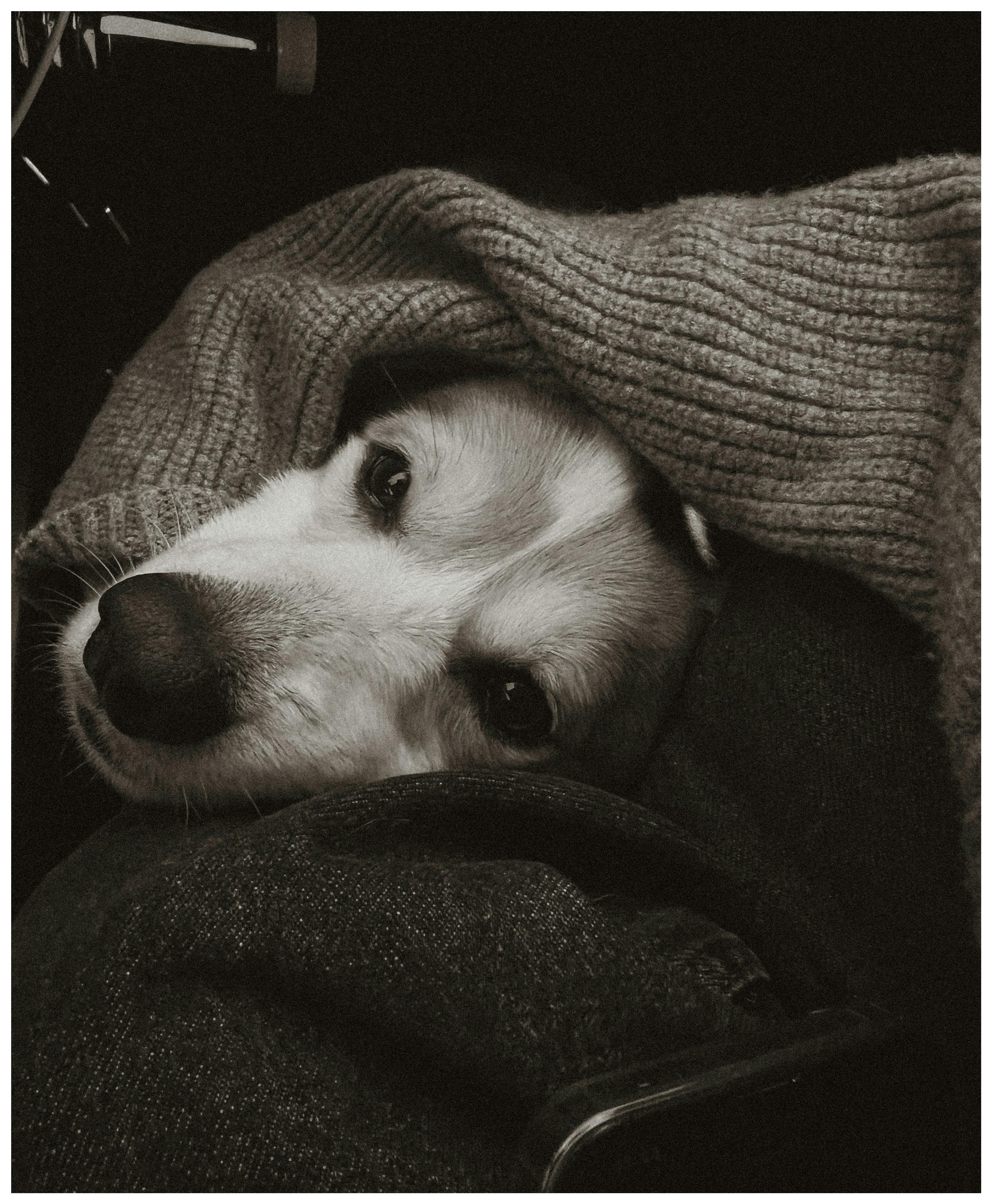
Photo by Anna Androshuk under the Pexels License.
Months before fireworks season
The most useful preparation starts well before the first display. Firework sounds can be introduced through recordings at home, but the starting point matters: keep the recording barely audible. Your puppy should remain relaxed while it plays. Pair the sound with something enjoyable, such as food or a chew, so the experience is connected with good things rather than alarm.
Increase the volume only when your puppy continues to stay relaxed. This is gradual work, not a challenge to see how much noise your puppy can tolerate. If the puppy becomes unsettled, the volume has gone beyond a comfortable level. Lower it again rather than pressing on.
Because Blue Cross recommends beginning this work months ahead, do not try to compress the process into the few days before a celebration. If fireworks are approaching and your puppy has not had time for gradual sound preparation, concentrate on making the home secure and predictable instead of rushing the recordings.
Before the first expected display
Set up a safe space that your puppy can access whenever it wants. The RSPCA recommends making this space always available, rather than introducing it only once the fireworks begin. Choose and prepare it ahead of time so it is ready during the noisy period.
Check the home as part of your preparation. Secure it, and plan to close the curtains and windows when fireworks are expected. The RSPCA also recommends masking outside noise. These steps are intended to help reduce the impact of sounds and flashes entering the home.
It is also worth deciding when your puppy will go outside. Plan walks during daylight, before fireworks are likely to begin. Use the same daylight window for toilet breaks, so you are not relying on an outdoor trip once the noise has started. Keeping this plan in place can make the evening less rushed for both of you.
On the day
Complete your puppy's walk during daylight and make sure the home is secured before fireworks begin. Close the curtains and windows, use the prepared safe space, and mask outside noise. Keep that retreat accessible rather than waiting for your puppy to show fear before making it available.
If you are using a recording as part of longer-term preparation, keep it at the level at which your puppy remains relaxed. The day of a real fireworks display is not the time to increase the volume or test progress. Real fireworks are unpredictable and may be much louder than a recording, so environmental preparation still matters even if earlier sound work has gone smoothly.
When to involve a vet
If your puppy already shows significant fear around fireworks or loud sounds, discuss it with a vet early. Blue Cross also recommends seeking help from a qualified behaviorist for existing fear, while the RSPCA advises veterinary help when fear is severe. Early advice gives you time to make a plan rather than trying to manage a serious reaction at the last minute.
A first fireworks season does not need to be treated as a single evening to get through. Begin months ahead when possible, keep recorded sounds below your puppy's fear threshold, and pair them with food or a chew while your puppy stays relaxed. Then support that training with a secure home, an always-available safe space, daylight walks and toilet breaks, and professional guidance when fear is already significant.
Further reading & sources
Blue Cross: How to prepare your dog for fireworks ↗RSPCA: Keeping pets safe during fireworks ↗Every dog is different. This is general information, not a diagnosis or treatment plan. Ask your veterinarian about individual health, diet, and supplement decisions.