Puppy Sleep Schedule: Building a Flexible Rhythm
A calm pattern of naps, toilet trips and bedtime can help a new puppy settle without turning the clock into a rulebook.
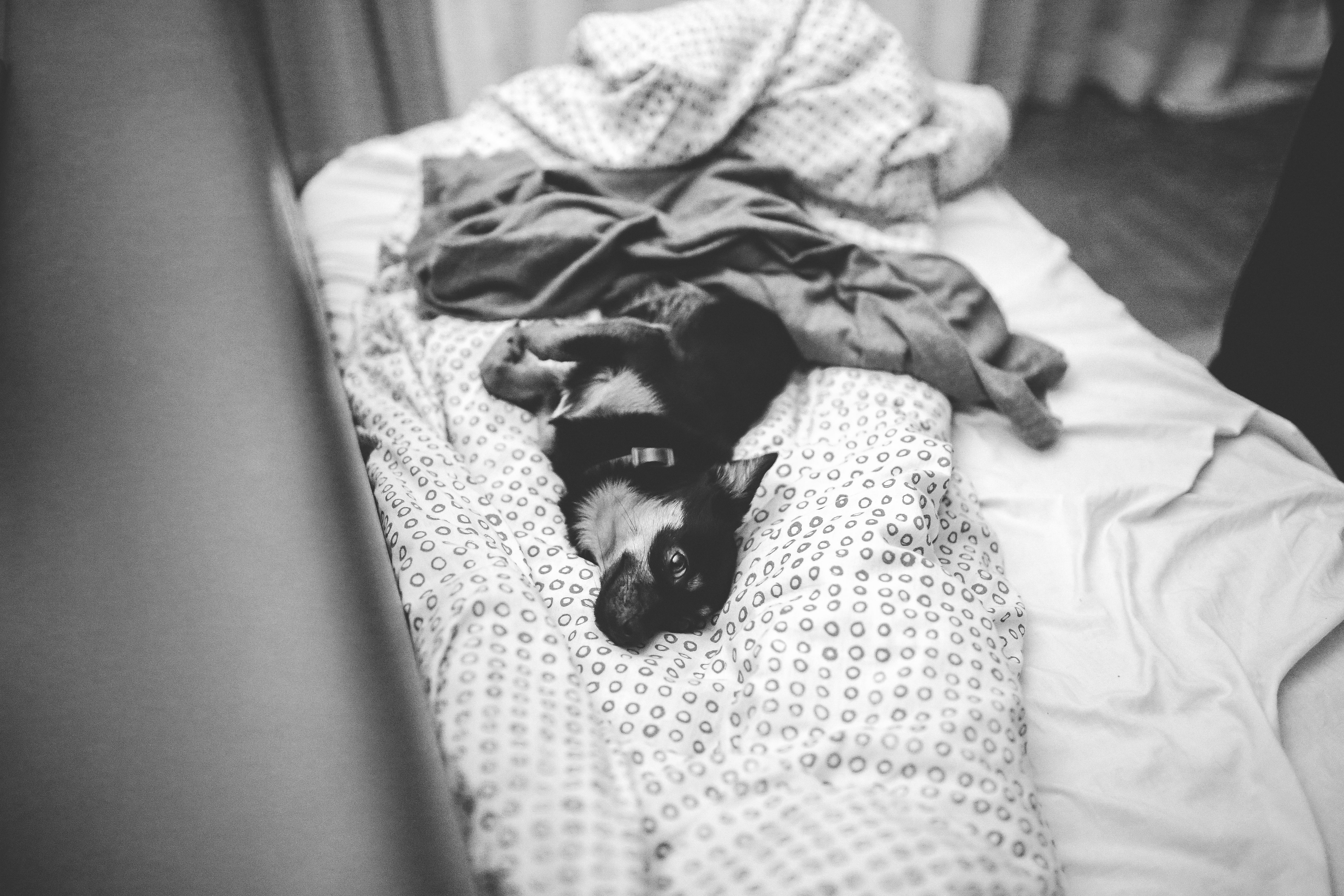
Photo by Karolina Grabowska under the CC0 1.0.
Start with a rhythm, not a timetable
A new puppy's day is easier to manage when it has a familiar pattern, but a sample schedule should be a guide rather than a rigid rule. PDSA notes that some puppies sleep 18 to 20 hours a day, so rest may take up much of the day, especially while a puppy is adjusting to a new home.
Instead of aiming for exact nap lengths, repeat a simple sequence: wake up, offer a toilet opportunity, spend a little calm time together, then make it easier for the puppy to rest again. The precise timing can change from day to day. What matters most in the supplied guidance is consistency, calmness and gradual adjustment.
This approach also leaves room for your puppy's individual routine. A clock-based plan may make an owner worry when a nap starts early or lasts longer than expected. A repeating pattern is more useful: after waking, think about toileting; after activity, create a quiet opportunity to sleep; before bed, follow the same calm steps.
Making naps easier
Rest is not only about putting a puppy in a sleeping area and walking away. PDSA recommends a consistent and calm bedtime routine. Blue Cross also advises keeping a new puppy close at first and building independence gradually. Those ideas can apply to daytime rest as well: make the transition predictable, keep the atmosphere calm and avoid treating the sleeping area as a punishment.
If a puppy struggles to settle, reduce the pressure to make sleep happen instantly. Use the same quiet routine and give the puppy time to become familiar with the new setting. Blue Cross advises against leaving a frightened new puppy to cry. Staying close at first, then increasing independence gradually, is the approach described in its guidance.
The supplied sources do not provide a checklist of specific overtired behaviors, nor do they establish that every burst of excitement, nipping or restlessness has the same cause. Treat those signs cautiously rather than assuming that a particular behavior proves a puppy is overtired. If the concern is recurring, record when the puppy slept, toileted and became unsettled, then discuss the pattern with an appropriate professional.
Keeping nighttime low-key
Young puppies may need overnight toilet breaks while they adjust to a new home, according to PDSA. That means sleeping through the night may not happen immediately. Plan for a brief, calm response rather than expecting a full night from the first evening.
After a nighttime toilet trip, Blue Cross recommends settling the puppy calmly. Keeping the puppy close at first can make this transition easier, while independence can be built gradually over time. Avoid turning the break into an exciting social period. The aim is to return to the same quiet bedtime pattern.
A calm routine is not a guarantee of uninterrupted sleep. A puppy may still need time to adapt, and the available sources do not give a fixed age or timetable for when overnight toilet trips will stop. Use the rhythm as support, not as a test that your puppy must pass on a particular date.
When the pattern changes suddenly
The supplied guidance explains sleep routines and adjustment to a new home, but it does not list veterinary warning signs or define when a sudden change in sleep requires an examination. It therefore cannot provide a medical threshold. If your puppy's sleep pattern changes suddenly and that change concerns you, contact a veterinarian for advice rather than trying to solve the issue by changing the schedule alone.
For everyday planning, keep the sequence simple: toilet opportunity after waking, calm interaction, a chance to rest, and a quiet bedtime routine. Let the puppy's adjustment guide the pace, while keeping the household response steady and kind.
Further reading & sources
PDSA: First day and night with puppy ↗Blue Cross: How to get a puppy to sleep through the night ↗Every dog is different. This is general information, not a diagnosis or treatment plan. Ask your veterinarian about individual health, diet, and supplement decisions.