A Daily Water-Bowl Routine That Is Easy to Keep
Turn water-bowl washing into a reliable daily habit, with a practical handoff for busy households and source-backed cleaning steps.

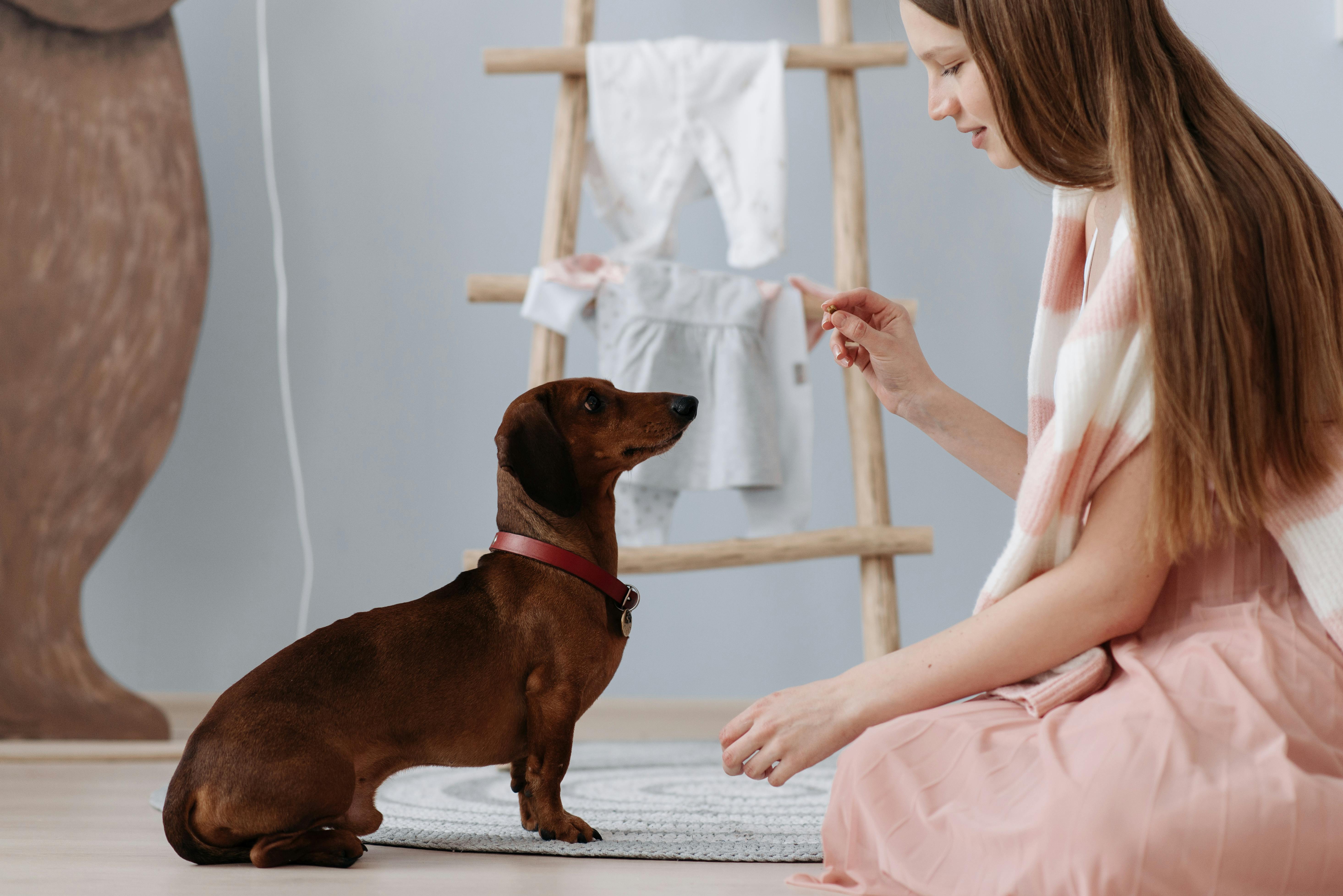
Photo by Bethany Ferr under the Pexels License.
A water bowl can look full and still be overdue for a wash. Adding fresh water is an easy habit; remembering the bowl itself takes a little more planning. The FDA recommends washing water bowls daily. Build that into an existing household routine so cleaning does not depend on spotting a cloudy surface or remembering when you last scrubbed.
Give the job a predictable place
Choose one daily cue: after breakfast, before the evening dishes, or when you prepare tomorrow's dog supplies. Write "wash and refill water bowls" on the same checklist as meals, rather than leaving it as an occasional deep-cleaning task.
Walk through the house and count every drinking station. Include the bedroom bowl, the one by the back door, and any portable bowl brought home from a walk. A small list near the sink helps another caregiver finish the whole job without guessing which bowls you meant.
If you already own a suitable spare, rotate it into use while the other bowl dries. That keeps drinking water available and removes the pressure to hurry. A spare is convenient, but it is not a requirement or a reason to buy a particular product.
Wash the surface, then refill
Check the bowl's care instructions. For hand washing, CDC recommends warm soapy water, scrubbing, thorough rinsing, and drying. Work around the rim, base, and any accessible grooves rather than only swishing the water around.
A dishwasher is another option when the bowl is labeled dishwasher-safe. Follow its care directions. CDC says pet dishes can share a dishwasher load with household dishes; a sanitizing cycle and heated drying provide an additional disinfection step.
Before returning the bowl, look for anything you missed. Then refill it and put it somewhere your dog can reach comfortably. During the day, check that water remains available and replace it when food particles or other debris appear. The scheduled daily wash is a baseline, not a reason to leave a visibly dirty bowl until tomorrow.
Keep the feeding station on the same checklist
While the water bowl is drying, deal with the dishes used for meals. FDA guidance calls for washing pet food bowls and scooping or measuring utensils after each use. Use a separate scoop for food instead of dipping the feeding bowl into the bag.
Clear away old food, wipe up spills, and return the clean utensils to their usual place. These small steps make the next meal easier to prepare and give everyone in the household the same starting point.
Finish by washing your hands with soap and water. CDC recommends handwashing after handling food and water dishes and before preparing your own food. Adults should supervise young children's handwashing when they help with pet care.
Make changes deliberately during illness
Cleaning removes dirt and germs; disinfection is a separate step that kills germs. CDC says ordinary cleaning is generally sufficient for most pet items, with extra precautions when a pet is sick or someone in the household is especially vulnerable.
Ask your veterinarian for a specific routine if your dog has an infection. Follow cleaner labels, keep the dog away during use, and never mix cleaning products. Do not improvise a stronger mixture because the bowl feels slippery.
For a shared household, leave a simple note: where each bowl belongs, which are dishwasher-safe, and who completed today's wash. A repeatable handoff is more useful than an elaborate cleaning plan that only one person remembers.
Further reading & sources
Proper Storage of Pet Food & Treats - FDA ↗About Cleaning and Disinfecting Pet Supplies - CDC ↗Tips for Safe Handling of Pet Food and Treats - FDA ↗Hygiene Practices Around Animals - CDC ↗Every dog is different. This is general information, not a diagnosis or treatment plan. Ask your veterinarian about individual health, diet, and supplement decisions.