When Loose-Leash Practice Keeps Stalling
Turn repeated stop-and-start walks into a smaller loose-leash lesson with clear rewards, easier settings and calm resets.

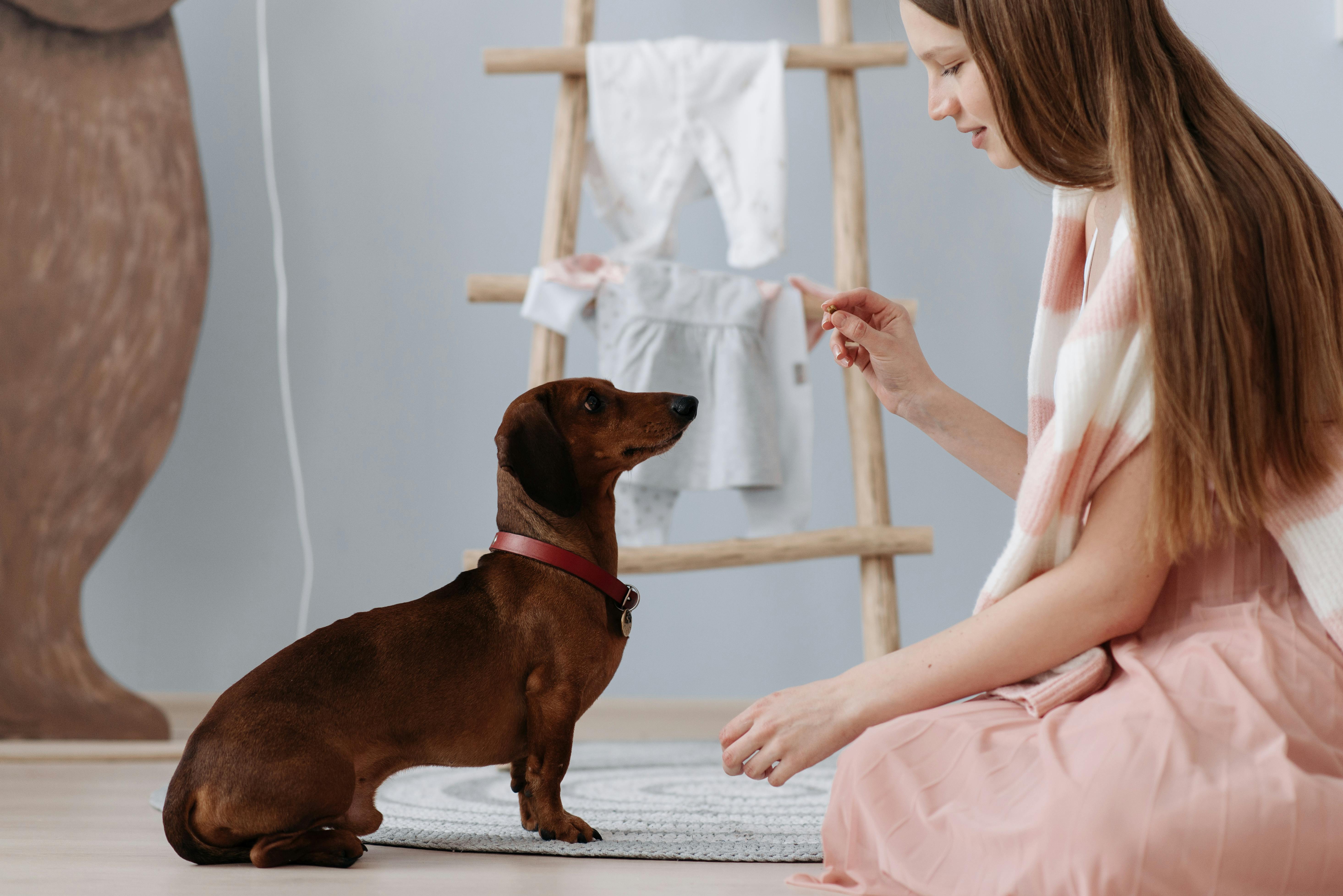
Photo by Jermaine Lewis under the Pexels License.
Loose-leash practice can feel oddly circular: you stop when the lead tightens, your dog returns, you take one step, and the lead tightens again. That does not mean your dog is stubborn or that you need a harsher tool. It means the current version of the exercise is still too difficult or not rewarding enough to compete with everything outside.
Treat the next walk as a short lesson rather than a test of the whole route.
Define the picture you will reward
A loose lead is the goal, not a formal heel. Your dog can look around and sniff as long as the lead stays slack. Decide which side you will hold the lead on, keep enough length for comfortable movement, and choose a marker such as "yes" to identify the exact moment the lead is loose.
Begin indoors or in a quiet garden. Dogs Trust recommends starting where distractions are low and rewarding your dog for standing or sitting beside you. Mark and reward that position, then take one step. If the lead remains loose, mark and reward again.
Our reward-based training foundations explain how a consistent marker helps connect a behavior with its reward.
Make one good step worthwhile
Food is useful only if your dog wants it in that setting. Dogs Trust notes that a reward that works at home may lose value in a busier place. Test the lesson somewhere easier before assuming the reward or method has failed.
Deliver the reward beside your leg rather than out in front. Then take another step. At first, reward every successful step or two. You are building a clear pattern: slack lead, marker, reward, movement.
The reward does not always have to be food. The RSPCA suggests using access to something your dog wants, such as a toy, after they approach it without pulling. On a walk, permission to move toward a safe sniffing spot can serve the same purpose. Keep the destination close enough that success is realistic.
When the lead tightens
Stop before you are dragged forward. Stay still and quiet. When your dog turns back or moves close enough for the lead to slacken, mark that choice, reward, and move again. The RSPCA advises applying this consistently and practising in short, regular sessions.
Do not jerk the lead or scold. Dogs Trust recommends waiting calmly; if your dog does not reorient, take a couple of steps in the opposite direction to help regain focus. This is a reset, not a punishment.
If you keep getting only one loose step, lower the difficulty. Return indoors, increase the value of the reward, shorten the distance to the sniffing spot, or practise after your dog has had a chance to settle. Repeating the same impossible setup is not consistency.
Separate training from transport
Sometimes you simply need to get somewhere. Dogs Trust describes using distinct equipment for training and necessary walks when perfect consistency is not practical. The important part is making the distinction predictable rather than expecting your dog to guess when pulling rules have changed.
Choose comfortable, well-fitted equipment. Avoid anything designed to cause pain or discomfort when the dog pulls. If you are unsure about fit, ask a qualified reward-based trainer for help before the next session.
Keep a tiny walking record
After each lesson, write down four details:
- Where you practised
- How many loose steps were easy
- Which reward held your dog's interest
- What distraction made the exercise harder
Use that note to choose tomorrow's starting point. Progress may look like three calm steps in the driveway before it looks like a relaxed neighborhood walk. If pulling creates a fall risk, your dog is distressed, or you cannot manage the lead safely, pause the experiment and get individual help from a qualified reward-based professional.
Further reading & sources
Teach your dog to walk without pulling - RSPCA ↗Teach your dog to walk nicely on a lead - Dogs Trust ↗Positive reinforcement - training with rewards - Dogs Trust ↗Every dog is different. This is general information, not a diagnosis or treatment plan. Ask your veterinarian about individual health, diet, and supplement decisions.