A Digging Spot Your Dog Is Allowed to Use
Before filling another hole, watch the pattern. Then offer a supervised digging area, teach a rewarding alternative and check whether the setup actually helps.
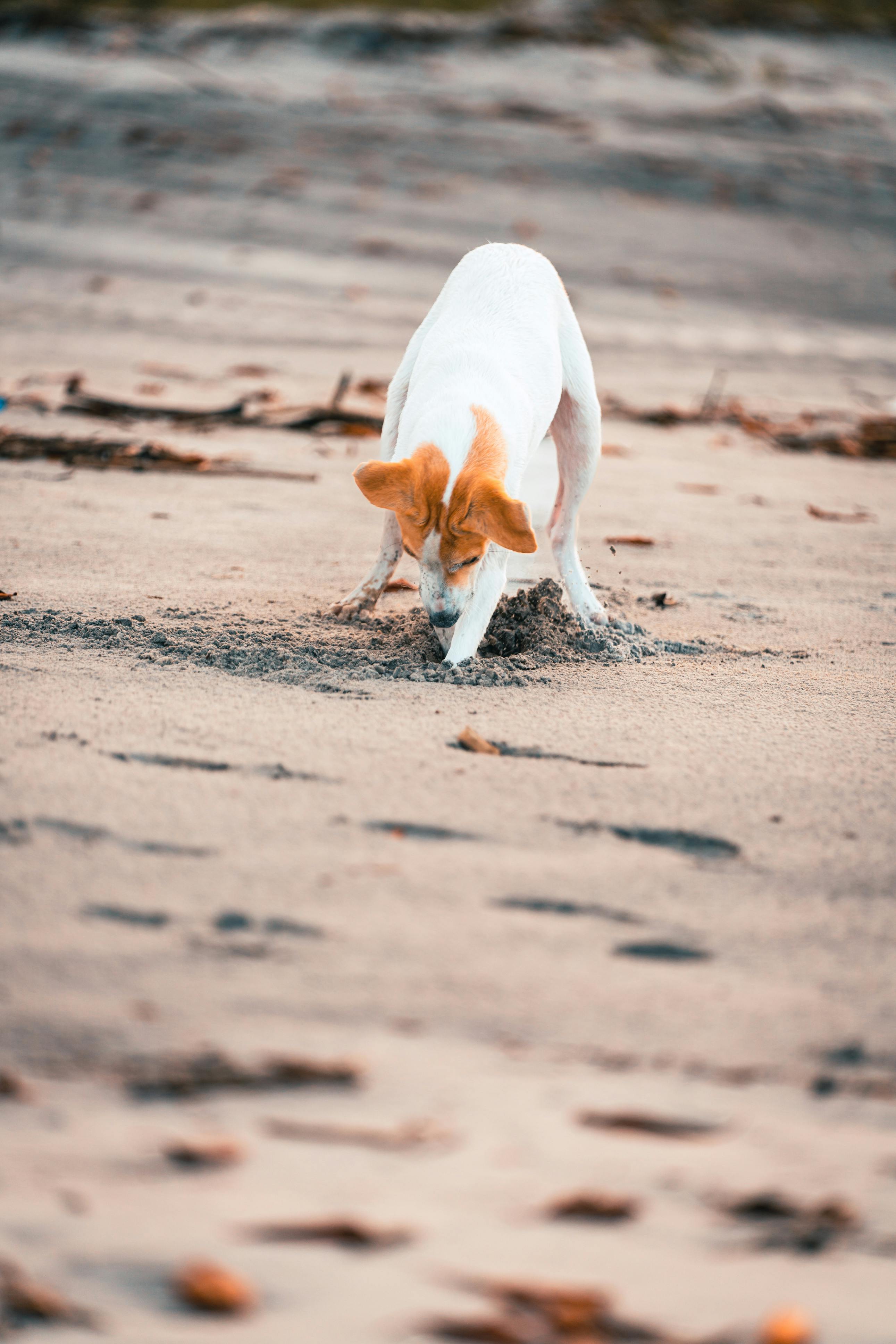
Photo by Maurylio Silva under the Pexels License.
The flowerbed has another hole, and your dog looks ready to start the next one. Before buying fencing or filling the same patch again, ask a more useful question: what would your dog like to do there, and where could they do it safely?
A designated digging area can offer an outlet for a dog who enjoys moving dirt. It is not a promise that every dog will abandon the lawn, and it cannot solve every reason for digging.
First, watch where the holes appear
The Animal Welfare League of Arlington describes several possible reasons, including enjoyment, stress, attempts to escape and making a cooler resting place. That makes the location and circumstances worth noticing.
Jot down a few observations before changing the yard:
- Is the digging beside a gate or in the middle of an open patch?
- Does your dog investigate the soil, lie in the hollow, or keep working along the boundary?
- What happened just before they started?
These notes are clues to discuss, not a way to diagnose the cause yourself. A dog trying to get through a fence needs secure management, not simply a more interesting sandbox. Stay outside with them and prevent access to an unsafe boundary.
If digging is new or accompanies other behavior changes, arrange a vet check. Dogs Trust advises ruling out physical discomfort and seeking help with recent changes rather than treating destruction as naughtiness.
Make one place clearly worth investigating
Choose an area you are genuinely willing to let your dog disturb. Write down that boundary for the household: the bare patch beyond the patio, for example, rather than "somewhere away from the roses." Everyone needs to offer the same destination.
Dogs Trust describes garden pits using a sturdy container with its rim level with the surrounding ground, filled with earth or dog-friendly sand. Check the setup and material before inviting your dog in. Do not assume leftover building material is suitable.
For a smaller trial, its indoor dig-box guide uses a cardboard box containing crumpled paper with treats scattered through it. This offers a different searching activity without committing to a permanent garden project. Supervise homemade enrichment, and stop the activity if your dog begins swallowing the materials. Seek veterinary advice promptly if they swallow a non-food item.
Keep food rewards within the day's usual allowance. Dogs Trust suggests using part of a regular meal for enrichment rather than adding every reward on top.
Introduce it together
Let your dog watch you place a few suitable rewards in the approved area. Keep the first search easy enough to find without a prolonged excavation. Dogs Trust also suggests gently scrabbling in the digging area yourself to encourage investigation.
If your dog heads toward a flowerbed, walk to the approved spot and make that activity interesting again. Avoid shouting or turning the interruption into a chase. Protect valued beds while you teach the alternative, rather than waiting beside them for a mistake.
Garden safety still applies: supervise, check fencing, put tools and chemicals away, and keep toxic plants out of reach. Offer a shaded resting place and drinking water too. A digging patch should be one option in the yard, not the only thing your dog can do there.
On the next few outings, note whether your dog chooses the area and whether the original digging continues. If it does, revisit those observations and ask for qualified behavior support. You have useful information to bring along, even if the first setup needs changing.
Further reading & sources
Dogs That Dig - Animal Welfare League of Arlington ↗How to make a dig box, pit and other indoor enrichment - Dogs Trust ↗Keeping your garden dog-friendly - Dogs Trust ↗Destructive behaviour in dogs: how to stop it - Dogs Trust ↗Every dog is different. This is general information, not a diagnosis or treatment plan. Ask your veterinarian about individual health, diet, and supplement decisions.