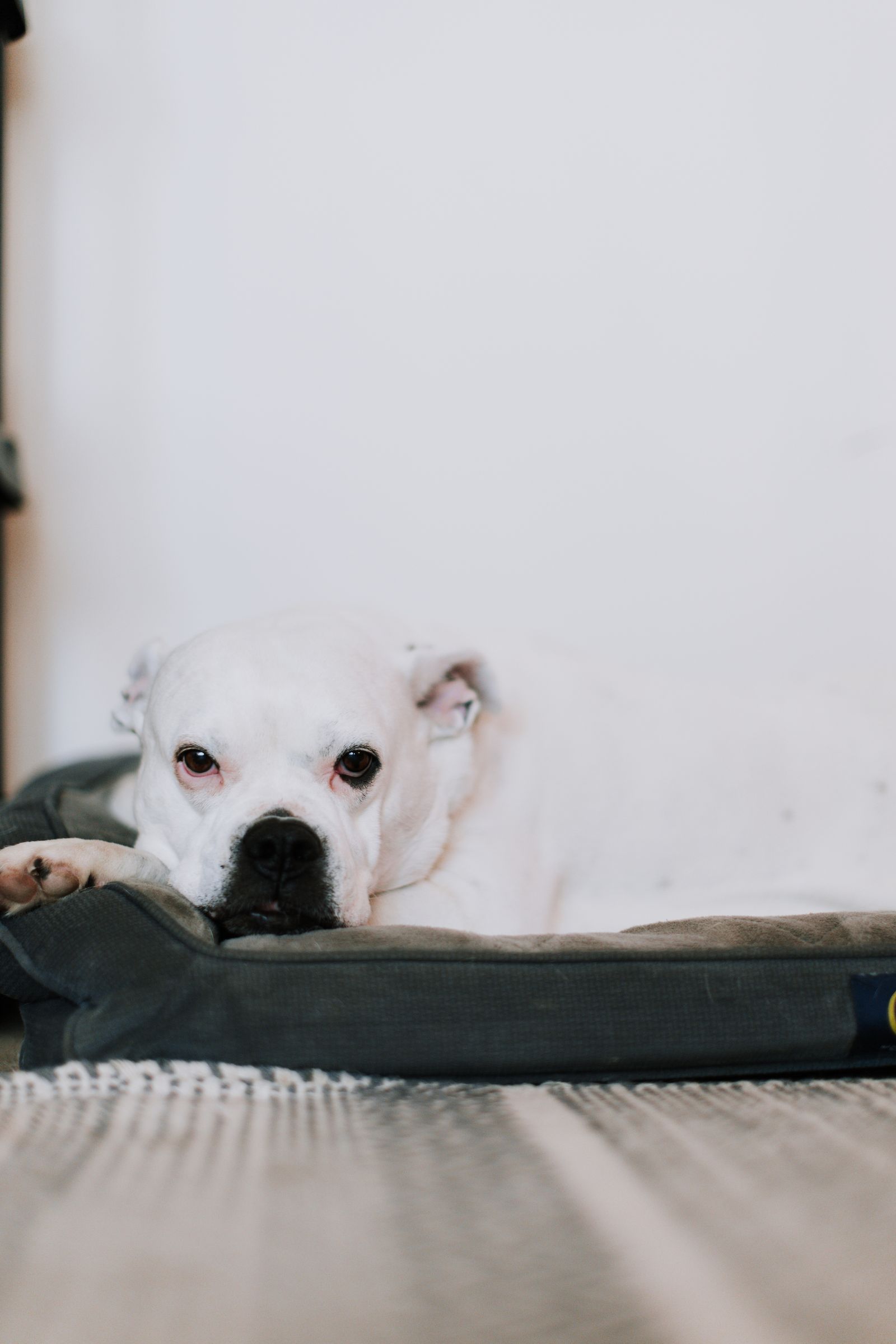
Helping a Fearful Rescue Dog Feel Safe With One Family Member
Give a newly adopted dog room to choose, then build calm associations with the family member from a comfortable distance.
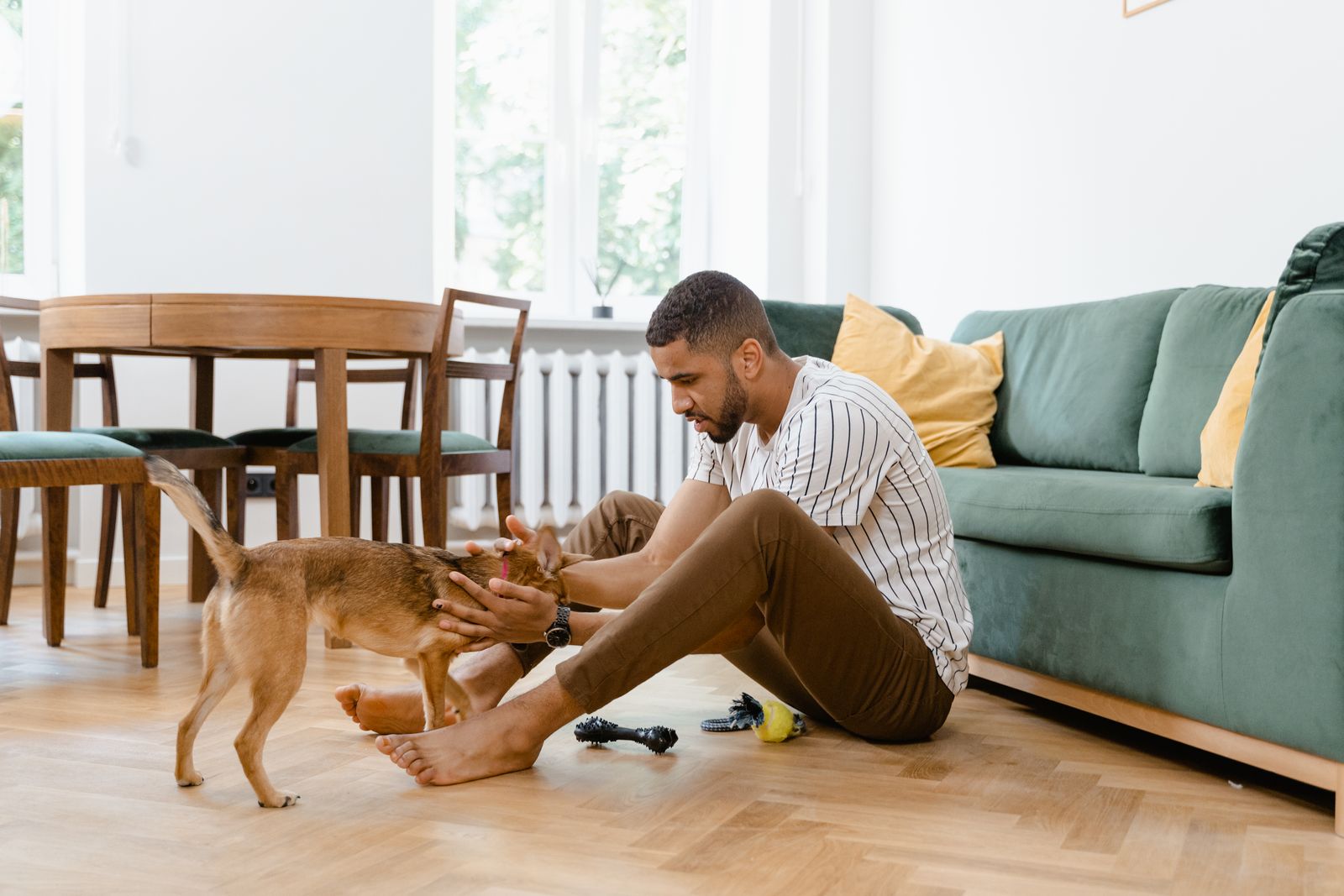
Photo by MART PRODUCTION under the Pexels License.
A newly adopted dog may feel safe with some people and fearful around one particular family member. The most useful response is not to speed up introductions. It is to reduce pressure, give the dog room to choose, and create calm experiences that stay within the dog's comfort zone.
Start with space, not contact
Do not force the dog to approach, accept a touch, or remain close to the family member. ASPCA advises allowing a fearful dog to progress at its own pace rather than forcing contact. This matters especially when the dog is already tense: an unwanted approach can make the interaction harder instead of helping the dog feel secure.
Set up safe separation when needed. A dog should have a way to remain apart during moments that feel overwhelming, particularly when the household is busy or the family member cannot keep the interaction calm. Separation is not a punishment. It is a way to prevent pressure while the dog learns that this person does not always predict an uncomfortable encounter.
The family member should avoid turning every sighting into an invitation to interact. Quietly sharing space at a distance can be more useful than repeatedly calling the dog over or reaching toward it. The dog needs the opportunity to decide whether to move closer.
Keep the person below the dog's fear threshold
AKC describes desensitization and counterconditioning as controlled exposure at a level the dog can handle, paired with something the dog values, such as treats. In practice, begin at a distance where the dog can notice the family member without becoming overwhelmed. The family member can remain calm and predictable while the dog receives the valued reward.
Distance is part of the exercise. If the dog cannot stay comfortable, increase the space or stop the interaction rather than continuing to press forward. The goal is not to make the dog endure closeness. The goal is to connect the family member's presence with calm, positive experiences while keeping the exposure manageable.
Repeat only when the situation remains controlled. Progress can mean that the dog is able to stay relaxed at the same distance, rather than immediately walking up for contact. Avoid treating physical closeness as the only sign of improvement. A dog choosing to remain in the room, observe from farther away, or approach and then leave can all be handled without pressure.
Look for reasons the dog may be uneasy
Fear does not always come from the person's identity alone. ASPCA notes that pain, unfamiliar people, unusual clothing, or unexpected touch may contribute to a dog's fear. Pay attention to what is happening around the difficult interactions. A change in clothing, a sudden movement, or an attempt to touch the dog may be part of the pattern.
This is also a reason to take a careful approach rather than assuming the dog is being stubborn. Avoid unexpected touch while the dog is fearful, and keep interactions predictable. If a specific trigger is making the situation worse, remove that pressure when possible and return to a more comfortable distance.
Get help before the situation escalates
Professional support is appropriate when progress is difficult or aggression is involved. AKC advises seeking professional behavior help in those circumstances. Do not try to force a fearful dog through threatening behavior or risky contact in hopes that it will quickly adjust.
A qualified behavior professional can help the household plan controlled exposures and identify when the dog is no longer coping comfortably. Until then, prioritize space, safe separation, and calm reward associations. Trust grows more reliably when the dog is allowed to participate in the process instead of being pushed into it.
Further reading & sources
Dog Bite Prevention - ASPCA ↗Change Your Dog's Behavior With Desensitization and Counterconditioning - AKC ↗Every dog is different. This is general information, not a diagnosis or treatment plan. Ask your veterinarian about individual health, diet, and supplement decisions.