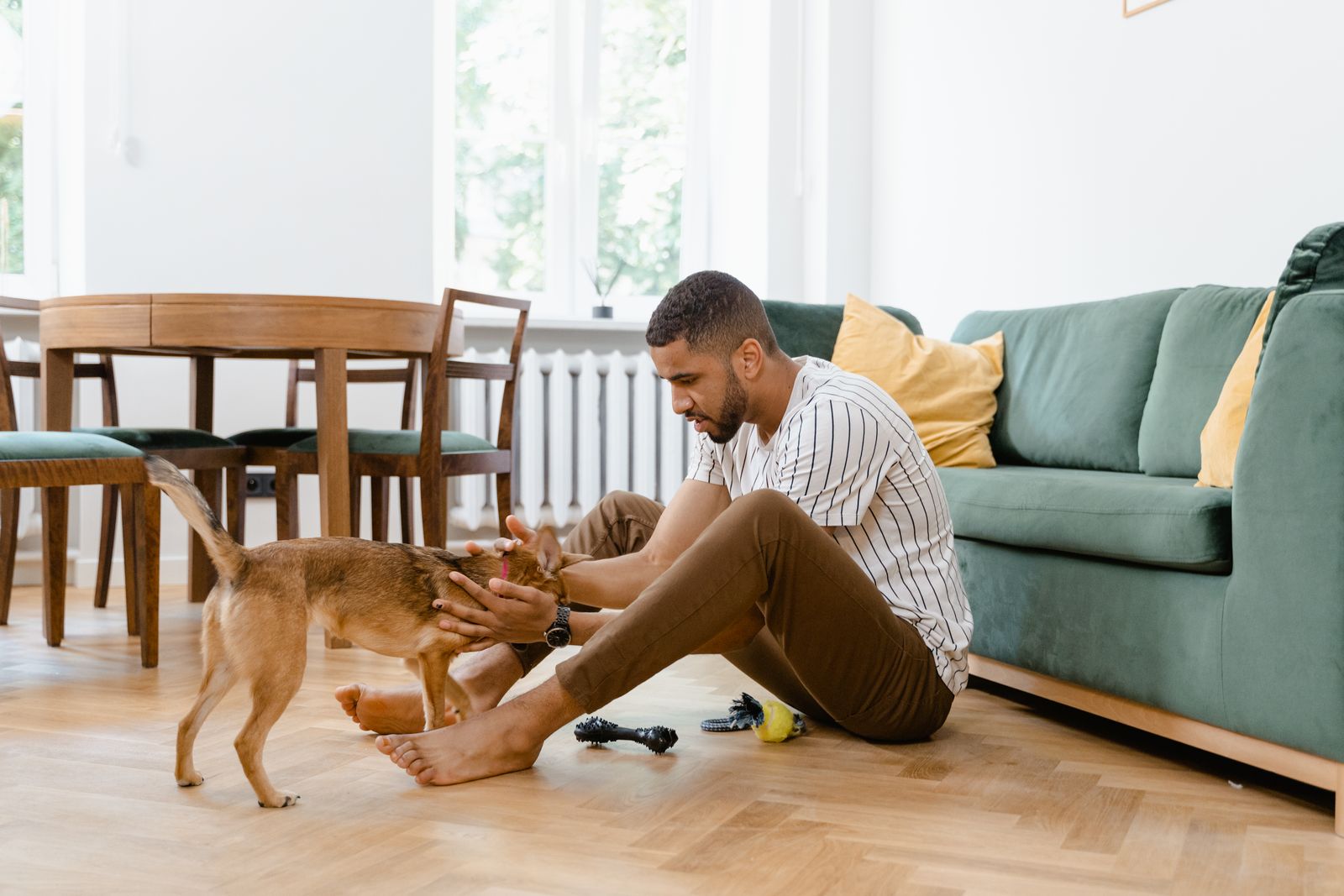
Teaching Your Dog to Sleep in Their Own Bed
A gradual, reward-based place cue can help your dog learn that their own bed is where settling happens, including at night.
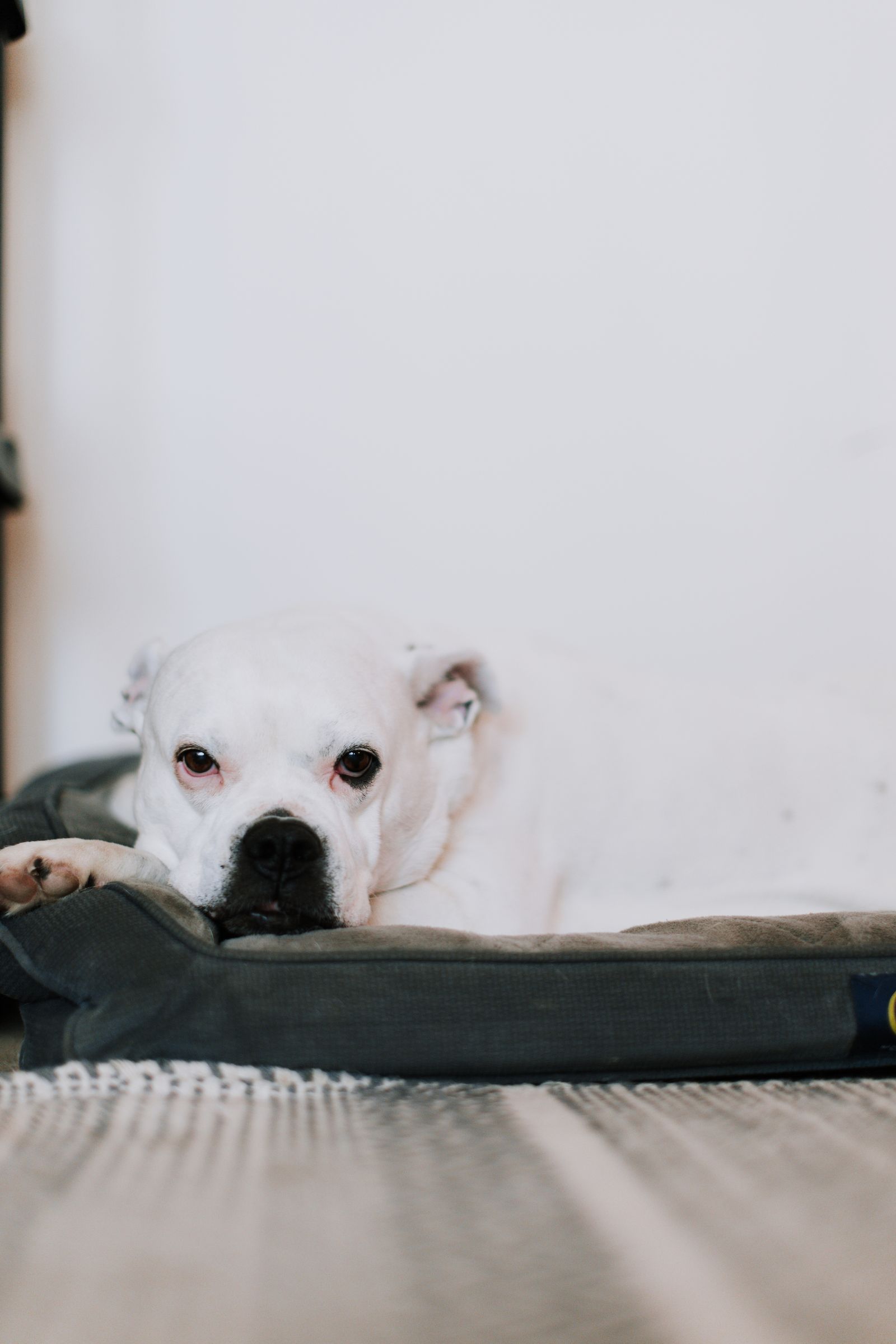
Photo by K Lover of aerials and photography. under the Pexels License.
Changing where your dog sleeps does not have to mean making the bed an overnight requirement. A kinder plan is to teach the bed as a familiar, rewarding place during the day, then use the same skill when bedtime arrives.
Start with a clear place cue
Choose one designated bed or mat and use it consistently. The American Kennel Club and VCA Animal Hospitals both describe teaching a dog to go to a specific place, reward the visit, and gradually build the amount of time the dog remains there.
Begin when there are few distractions. Stand near the bed and wait for your dog to investigate it or step onto it. Reward that visit. At first, the goal is simply to make going to the bed worthwhile. Once your dog is willingly returning to it, add a cue such as "bed" or "place" as your dog moves toward the designated spot.
Keep the early repetitions easy. If your dog leaves immediately, return to rewarding brief visits rather than expecting a long stay. The training works by building from a completed, comfortable step to a slightly longer one.
Build calm time in small increments
After your dog is reliably going to the bed, reward increasingly complete settling. This can include staying on the bed for a little longer and remaining there while you take a small step away. VCA recommends adding distance only after the dog is succeeding with the earlier parts of the exercise.
Use a release cue to tell your dog when the exercise is finished. Until you introduce that cue, keep the practice short enough that your dog can succeed. Then release your dog and repeat. The aim is not to test how long your dog can endure the bed; it is to teach a predictable pattern: go to the bed, settle, wait, and leave when released.
Practice in more than one setting as the skill develops. The AKC notes that dogs should practice the place cue in different situations rather than being expected to make an overnight change. You might begin in a quiet room, then practice when ordinary household activity is happening nearby. Add only one new challenge at a time, such as more distance or a longer stay.
Bring the skill into bedtime
Use the same cue and release system at night instead of making bedtime the first full practice session. Before settling down, guide your dog to their bed and reward the behavior you have already taught. Keep the sequence consistent: cue the bed, allow settling, and use the release cue when the stay is over.
If your dog gets up, calmly return to the trained behavior and reward the next successful stay. Do not turn the bed into a place associated with scolding. Both sources describe the bed or mat as a positive space, so rewards and manageable practice are the foundation of the change.
A nighttime transition may take repeated practice. The supplied guidance supports gradual duration, added distance, varied settings, and a release cue, but it does not establish how quickly any individual dog will adapt or guarantee uninterrupted overnight sleeping. If your dog cannot succeed at the current step, make that step easier and rebuild from a shorter stay or a smaller amount of distance. This keeps the lesson clear while giving your dog a fair path to a new sleeping arrangement.
Further reading & sources
How To Teach Your Dog To Go to Their Place - American Kennel Club ↗Go to Your Place Training - VCA Animal Hospitals ↗Every dog is different. This is general information, not a diagnosis or treatment plan. Ask your veterinarian about individual health, diet, and supplement decisions.