Moving House With Your Dog: A Handover Plan for Arrival
Plan the loading-day handoff, prepare a safe landing space, and keep familiar routines within reach as your dog adjusts to a new home.

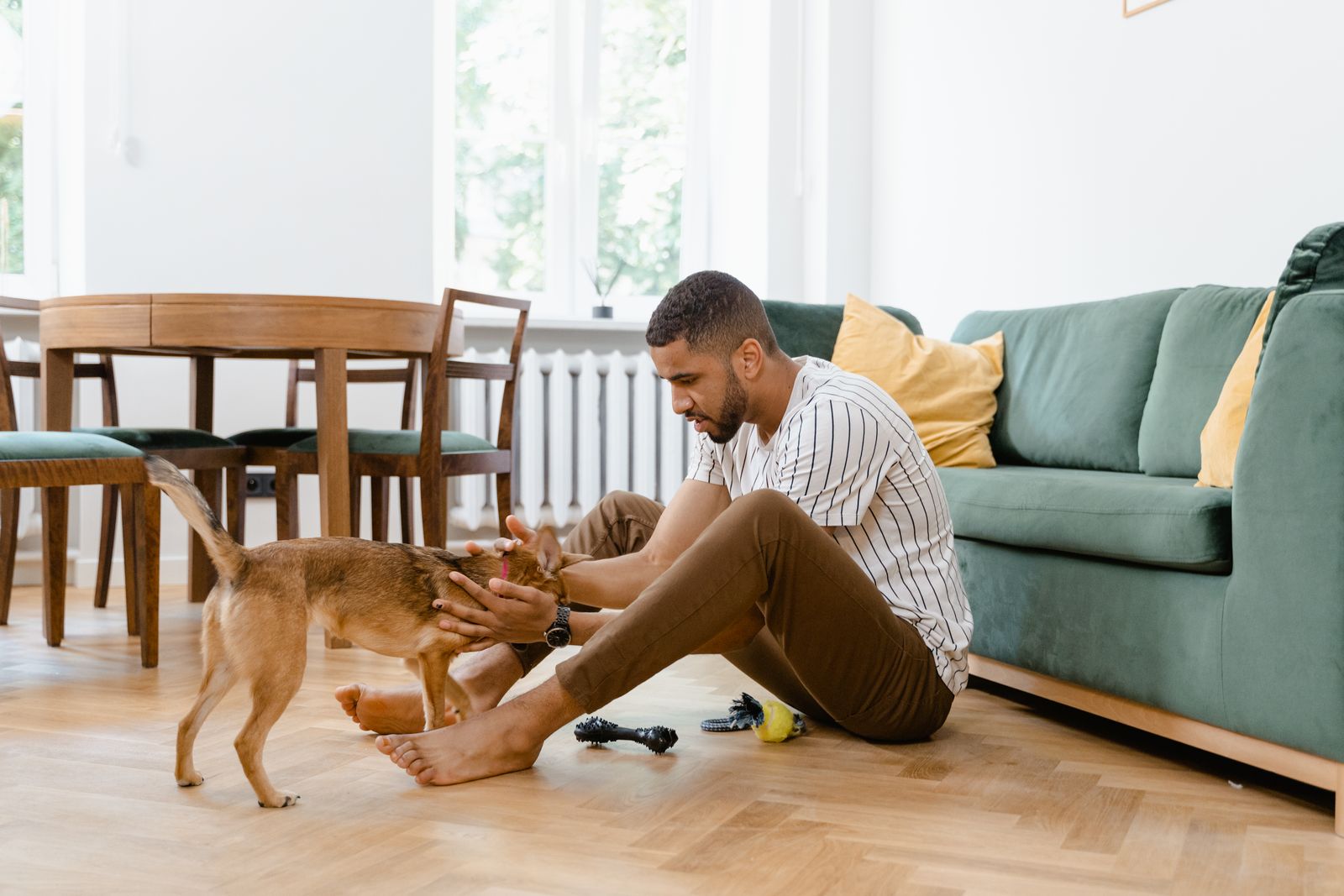
Photo by Anastasia Shuraeva under the Pexels License.
A house move creates two different jobs: getting everything through the door and helping your dog feel comfortable once it closes. Plan them separately. Your dog does not need to investigate every box while you are trying to find the kettle.
Use a simple handover plan: decide where your dog will be during loading, what they need on arrival, and which parts of their ordinary day you can preserve.
Before the furniture starts moving
Dogs Trust recommends arranging a trusted sitter if possible, updating identification details, and finding a local vet before a move to a new area. Put these on your moving list alongside the utility accounts. Check the phone number on the tag and microchip record, not just the address.
Choose one person to handle the dog's arrangements. Write down where they will stay, who will collect them, and when. A named job is easier to remember than a general agreement that everyone will keep an eye out.
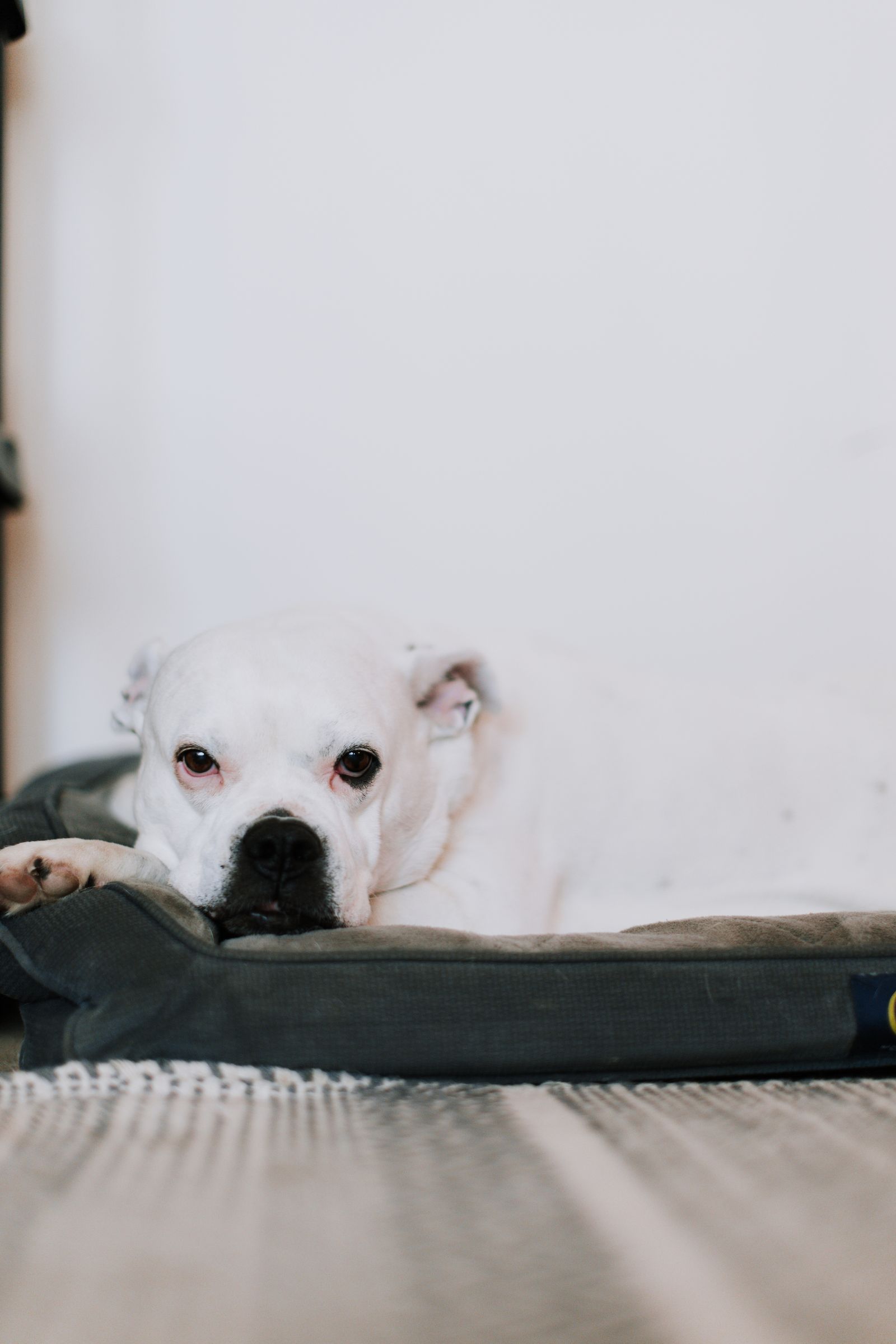
Keep the familiar bed, water bowl and favorite toys available until late in packing. Instead of replacing everything for the new house, bring the belongings your dog already knows.
Give moving day its own safety plan
If your dog stays with you, Cornell advises choosing a quiet, secure room away from the commotion. Familiar bedding and toys can go there while furniture travels through the rest of the house.
Tell every helper which room contains the dog. A note on that door can reinforce the message: check with the designated person before opening it. Plan toilet breaks around loading activity rather than allowing the dog to follow people through an open entrance.
Cornell also cautions that a crate is not suitable for every dog, especially one with confinement distress. Moving day is not the moment to discover whether an unfamiliar crate works for yours.
Pack a clearly marked dog bag separately from the household boxes. Include the usual food, bowls, leash, waste bags and bedding. Keep it accessible rather than underneath the dining table in the truck.
Prepare the landing place before the dog arrives
The American Kennel Club recommends checking the new home for hazards before allowing exploration. Look for cleaning products, loose objects and unsafe access points; inspect the yard's boundaries too. An empty room is not necessarily a safe room.
Walk through the space at dog height. Make a short list of what must be secured before arrival and what can wait until tomorrow. Set out water and the familiar resting place first, so finding the dog's essentials does not become another unpacking project.
Allow exploration once the area is safe. The AKC suggests a leashed introduction for an anxious dog. There is no need to turn the first evening into a tour for visitors.
Rebuild the ordinary day
Dogs Trust emphasizes familiar meal, walking and bedtime routines, while noting that dogs settle at different speeds. Choose those anchors before filling the calendar with new outings.
Keep a brief arrival note: where the dog rested, which doorway leads outside, and what seemed difficult. Share it with anyone taking over care. This is a practical handover, not a countdown to when your dog should be "finished" adjusting.
Cornell recommends acclimating a dog to the home before building up time alone gradually. Arrange help if your first workday arrives before your dog is comfortable. If the transition is proving difficult, discuss it with your vet rather than assuming distress is misbehavior.
Leave the least urgent boxes closed tonight. A familiar bowl, a secure resting space and a predictable next walk deserve their place on the unpacking list.
Further reading & sources
Moving home with your dog - Dogs Trust ↗Moving to a new home with your dog - Cornell University College of Veterinary Medicine ↗Ways to Make Moving Into a New Home With a Dog Less Stressful - American Kennel Club ↗Every dog is different. This is general information, not a diagnosis or treatment plan. Ask your veterinarian about individual health, diet, and supplement decisions.