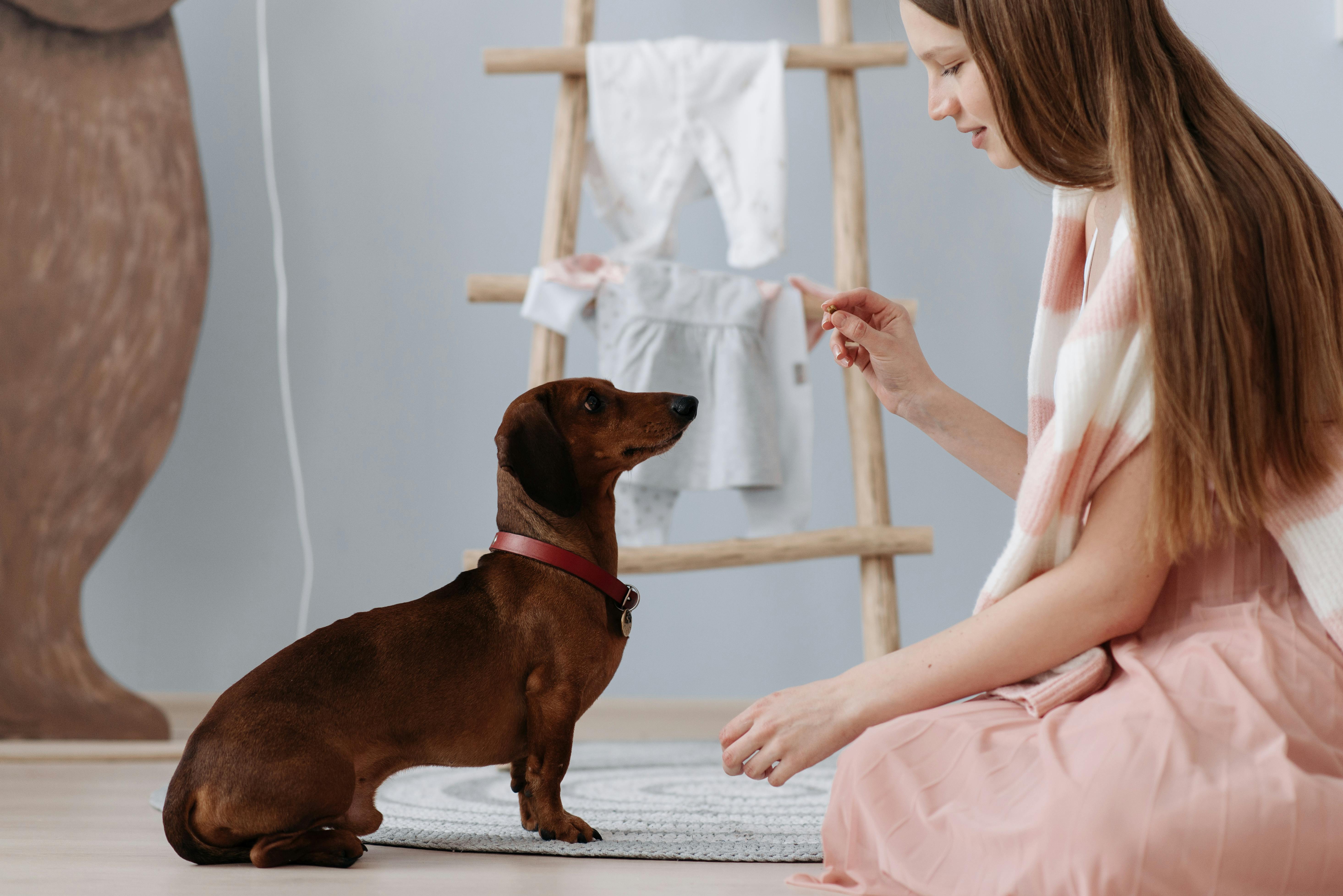
Before You Clip: A Low-Stress Nail-Care Plan for Your Dog
Separate paw-handling practice from necessary nail care, recognize when to pause, and prepare useful questions for your veterinary team.
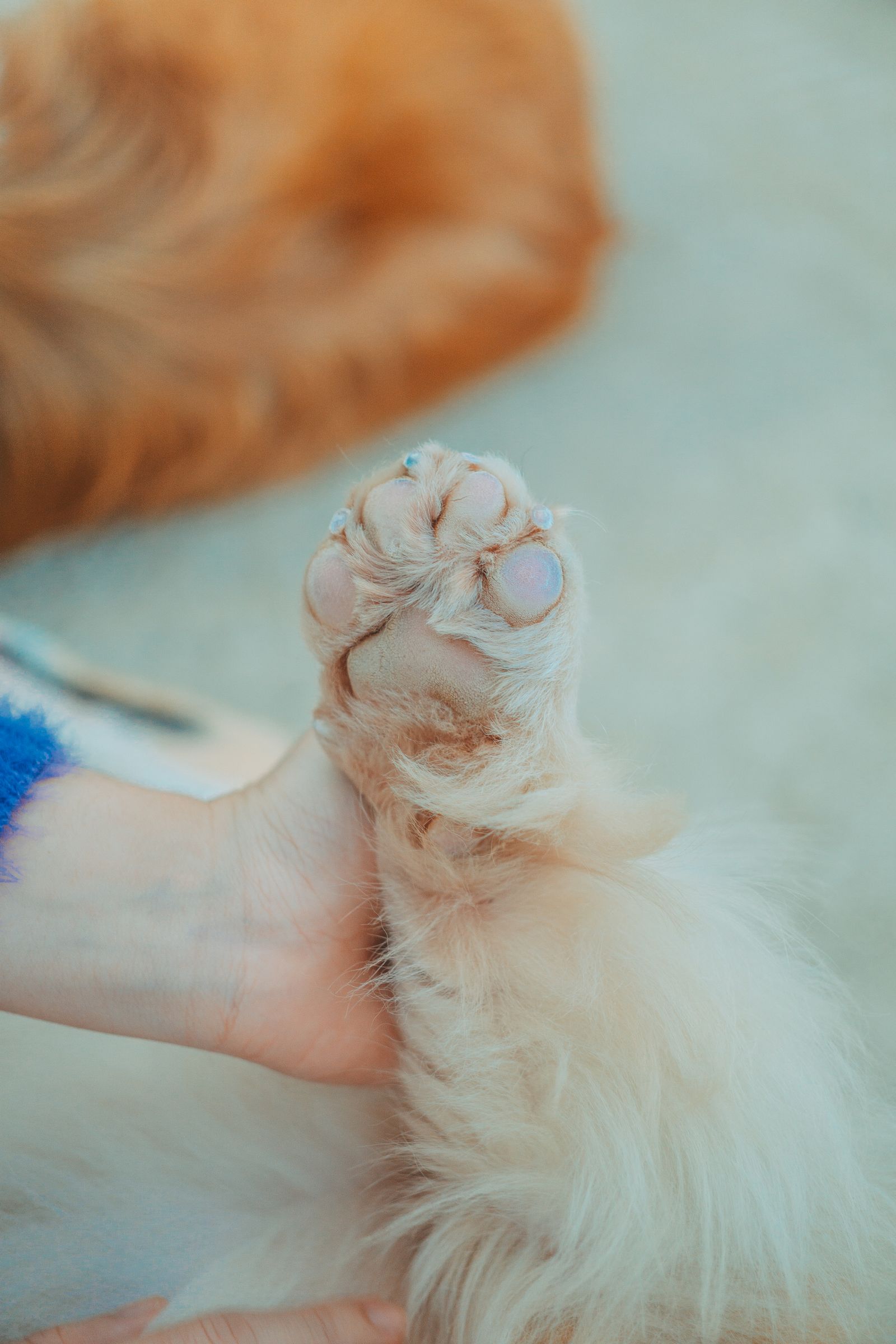
Photo by FOX ^.ᆽ.^= ∫ under the Pexels License.
If your dog pulls a paw away when the clippers appear, a finished nail trim is the wrong target for that moment. Separate learning to accept handling from deciding what nail care is needed today. That distinction gives you a practical plan without turning every practice session into a clipping attempt.
Use two questions to organize the week: what does your dog tolerate comfortably, and who will manage the nails while that skill develops? A short written record helps keep the answers separate.
Check the need before choosing the task
Dogs Trust explains that nail wear varies with the dog and the surfaces they walk on. Hearing claws tap against a floor is not, on its own, proof they need shortening. Ask your veterinary team whether regular trimming is necessary for your dog.
Remember to include dew claws in the check. Their position often keeps them away from the ground, so normal walking does not necessarily wear them down. If you are unsure which nails need attention, arrange a demonstration instead of setting a clipping target from sound alone.
For practice, choose secure footing. Dogs Trust recommends a non-slip area, such as a carpet or suitable mat, to support comfortable handling.
Make the first session smaller than a trim
Cornell's Riney Canine Health Center describes cooperative care as helping a dog participate willingly through gradual exposure and rewards. Begin when your dog is already relaxed. A brief comfortable touch, or investigating a grooming tool without using it, is a useful starting task.
Keep practice short and predictable. Pair easy handling with small rewards and finish while the session is going well. Cornell identifies pulling away, freezing and repeated lip licking among possible early stress signs. Pause when your dog shows discomfort, then make the next attempt easier.
Write down the exact task rather than calling the session successful or unsuccessful. For example: your dog remained nearby when the clippers were visible, but withdrew when you reached for a paw. That record tells you where to restart.
Treat the tool and the touch as separate skills
VCA's veterinary guidance distinguishes a dog's response to being touched from their response to the equipment. A dog comfortable with a hand near the leg might still dislike the sight, sound or movement of clippers. Observe both before combining them.
For a comfortable dog, progress through small handling steps and reward each one. Increase difficulty only while their body language remains relaxed. Do not use food to conceal a surprise trim or force the dog through an attempt. VCA warns that these approaches risk worsening an established fear.
There is no reliable deadline for finishing this training. Existing fear deserves individual professional guidance, especially when attempts involve growling, snapping or marked distress. A change of equipment alone does not establish comfort with the procedure.
Learn the cutting technique with your veterinary team
Preparation does not replace knowing where to cut. PDSA explains that the inner part of the nail, the quick, contains nerves and blood vessels. Cutting it causes pain and bleeding. Its guidance recommends purpose-made dog nail clippers rather than scissors or human nail clippers.
If all the nails are dark, PDSA advises asking your vet to show you where to trim. Stop a home session when your dog becomes stressed, and ask for advice if you are struggling. Do not turn a handling exercise into an improvised full trim.
Leave with a plan for the next appointment
Tell your veterinary team which part is difficult: touching the foot, holding it, seeing the tool, hearing it, or the clipping attempt itself. Ask them to plan necessary nail care alongside the training, rather than waiting for a fearful dog to tolerate a complete session at home.
Bring your brief notes. Choose one manageable practice task to repeat between appointments, and record the dog's response each time. The next useful milestone is a comfortable step you can repeat, not a certain number of nails finished.
Further reading & sources
How to clip your dog's nails | Dogs Trust ↗Grooming - Cooperative Care - February 2026 | Cornell ↗Taking the Stress out of Nail Trimming for Dogs | VCA ↗How to clip your dog's nails | PDSA ↗Every dog is different. This is general information, not a diagnosis or treatment plan. Ask your veterinarian about individual health, diet, and supplement decisions.