Coping With Grief After Losing a Dog: A Gentle Plan for the First Weeks
There is no single timetable for pet-loss grief. Use small routines, trusted support, and meaningful ways to express what your dog meant to you while giving yourself room to grieve.
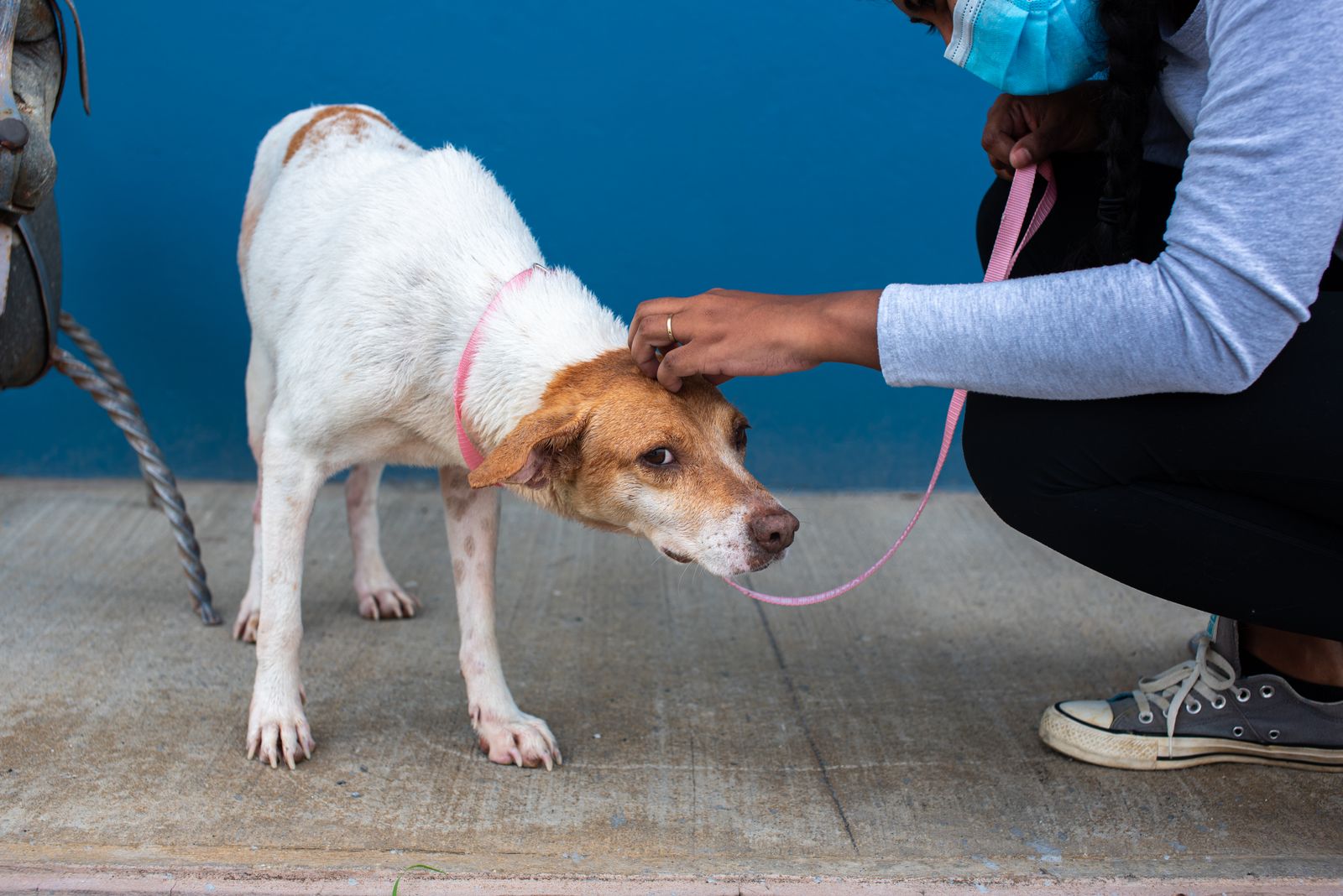
Photo by Dominik Gryzbon under the Pexels License.
Losing a dog can make home feel suddenly empty. You may feel sadness, anger, numbness, relief, confusion, or several of these at once. Your response may also change from day to day. Cornell University College of Veterinary Medicine notes that there is no single normal timeline for pet-loss grief, while Blue Cross says grief can vary according to the person and the circumstances of the loss.
That uncertainty can be unsettling, especially in the first weeks. Instead of asking whether you are grieving correctly, try focusing on what will help you get through today.
Give the loss room
You do not have to hurry yourself toward feeling better. Allowing grief is one of Cornell's recommendations. If a wave of sadness arrives, you might pause rather than immediately push it away. You could write a few sentences about what you miss, describe a favorite memory, or make a piece of art. Cornell specifically suggests expressing feelings through words or art, so choose the form that feels least demanding.
There is no required way to remember your dog. A written tribute, a drawing, or a collection of memories can give your feelings somewhere to go. It can be private, shared with someone you trust, or left unfinished until you want to return to it.
Protect a few daily anchors
The sudden change in your home can make ordinary tasks feel unfamiliar. For the first weeks, keep your plan small. Choose one or two basic points in the day that you can repeat, such as preparing a simple meal, stepping outside, or sending a message to a supportive person. The goal is not to be productive or to create a new normal immediately. It is simply to give the day a little shape while you grieve.
If a familiar activity brings up painful memories, you can adjust it rather than forcing yourself through it. A walk may become time sitting outside. A quiet evening may include writing instead of the routine you shared with your dog. Let your needs guide the change.
Let compassionate people show up
Grief can feel isolating, but you do not have to explain every detail to everyone. Cornell recommends leaning on compassionate people. Consider telling one trusted person what kind of support would help: listening without trying to fix the loss, checking in by message, or sitting with you while you talk about your dog.
It is also reasonable to choose carefully. Someone who minimizes the loss may not be the right person for this conversation. A person does not need to have lost a dog themselves to listen with care, but they do need to respect that this relationship mattered to you.
Consider structured support
If talking with family or friends is not enough, support lines, groups, and counseling are options identified by Cornell. Blue Cross also describes free confidential bereavement support as a safe place to talk through a loss. You can seek this kind of support even if your grief does not match anyone else's timeline. Help is not a sign that you are doing grief incorrectly; it is one way to avoid carrying it alone.
If grief is making ordinary life feel unmanageable, or you are worried about your safety, contact a mental health professional promptly and seek urgent local help if needed. You deserve support that matches the weight of what you are carrying.
There may be days when you feel steady and days when the loss feels fresh again. Both can belong to the same grieving process. For now, make space for the bond, choose one manageable act of care, and let trusted support accompany you.
Further reading & sources
Pet Loss Resources and Support - Cornell University College of Veterinary Medicine ↗Coping with the Loss of a Pet - Blue Cross ↗Every dog is different. This is general information, not a diagnosis or treatment plan. Ask your veterinarian about individual health, diet, and supplement decisions.