How to Verify Your Dog’s Microchip Registration Without Guesswork
Use the chip number to find the right registry, confirm your contact details there, and handle unexpected messages with a verification-first routine.

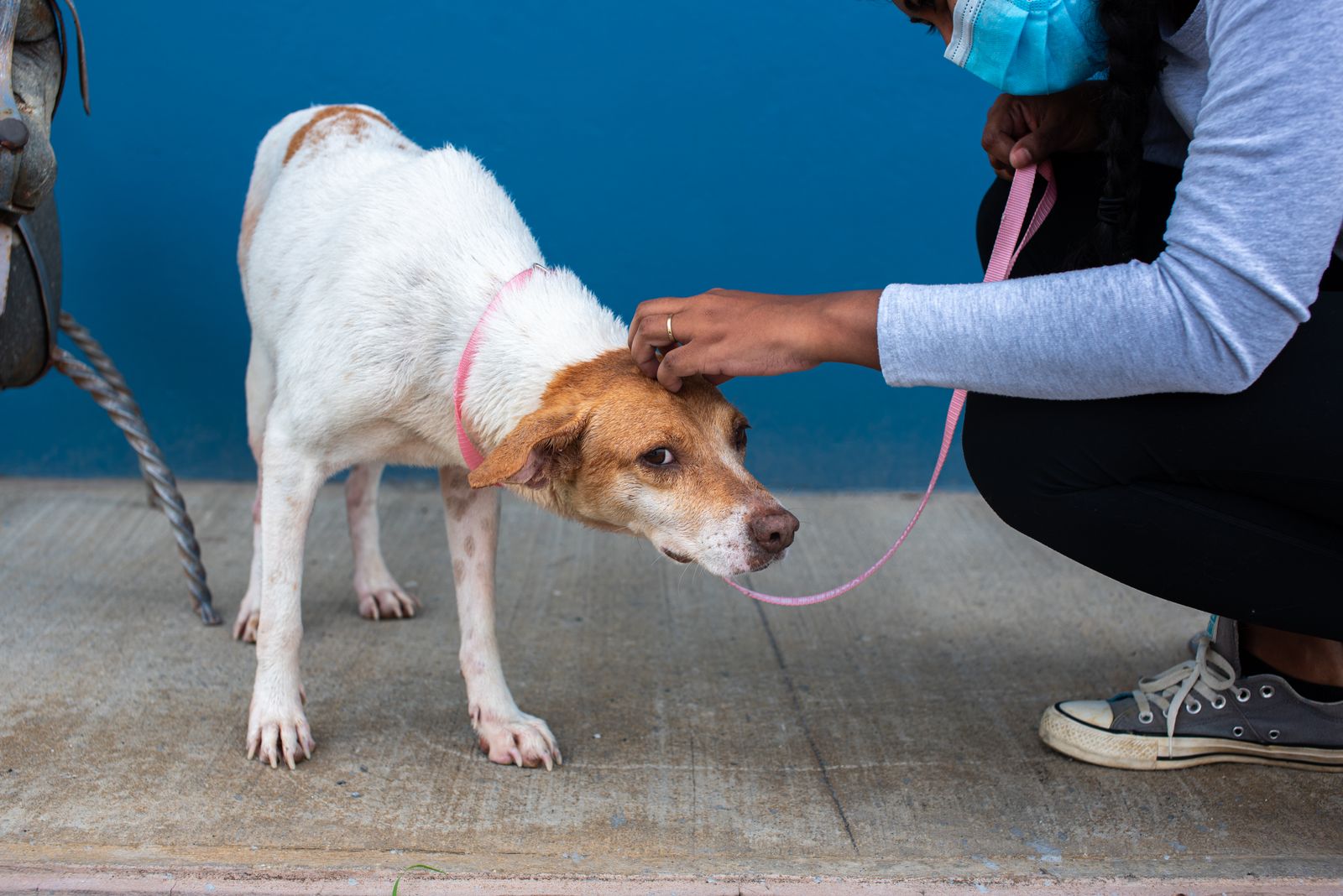
Photo by Eduardo Lopez under the Pexels License.
A microchip is only the starting point in a lost-dog reunion. It carries an identification number, while a registry connects that number with an owner’s contact details. If those details are missing or outdated, the chip may not provide a useful way to reach you.
The safest way to check the registration is to begin with the chip number, not with an unexpected email, text, or phone call.
Start with the identification number
Find your dog’s microchip number in adoption, veterinary, or other pet records you already have. If you do not have the number, ask the veterinary practice or organization that keeps your dog’s records how to locate it. Take care when copying the number: a single incorrect digit can lead you to the wrong result.
Use the AAHA Universal Pet Microchip Lookup Tool to identify registries associated with that number. The lookup tool identifies the registries linked to a microchip, but it does not show owner information and it does not update registration for you.
A chip can appear in more than one registry. That means seeing a registry name in the lookup tool is not the same as confirming that your current phone number or address is recorded there.
Contact the registry itself
Once you have the registry information, use the registry’s own contact route to confirm the record. Start with the most recently updated registry when the lookup returns more than one. Ask the registry to confirm whether your contact details are associated with the chip and to explain its process for making changes.
Do not treat a message from an unknown sender as proof that your dog’s registration needs attention. If a message asks for payment or personal information, pause before responding. Instead, locate the registry independently through the lookup result or records you already keep, then contact that registry directly. Do not rely on a link, phone number, or reply address supplied in an unexpected message until you have verified that it belongs to the registry.
This approach does not require deciding immediately whether a message is legitimate. It separates the real task - checking the registration - from the pressure or instructions in the message.
Update details after every change
Registration needs prompt updates after a change to your address or phone number. Contact the registry directly and follow its instructions for replacing old information with current details. If more than one registry is connected with the chip, ask each relevant registry whether it holds your contact information and whether an update is needed there.
Keep a simple record of the work. Write down the chip number, the registry or registries associated with it, the date you checked, the contact details you confirmed, and any reference or confirmation information the registry provides. Store that record with your dog’s other important documents.
Review the record whenever your phone number or address changes. It is also sensible to check that the registry information still matches your current details rather than assuming an old registration remains accurate.
What a lookup can and cannot tell you
The AAHA lookup can point you toward registries associated with a chip. It cannot display the owner’s information or complete an update. The registry is the place to confirm the contact record and make changes.
The supplied guidance does not establish a universal payment policy or identify particular scam messages, senders, or websites. For that reason, avoid assuming that any request is genuine or fraudulent based on its wording alone. Verification through the registry itself is the dependable next step: begin with the chip number, check the associated registry, confirm your details, and keep your own record of the result.
Further reading & sources
AAHA Universal Pet Microchip Lookup Tool ↗Microchipping of Animals - AVMA ↗Every dog is different. This is general information, not a diagnosis or treatment plan. Ask your veterinarian about individual health, diet, and supplement decisions.