Dog Bite Prevention and What to Do After a Bite
A calm checklist for giving dogs space, helping children avoid risky encounters, and getting the right help after a bite.
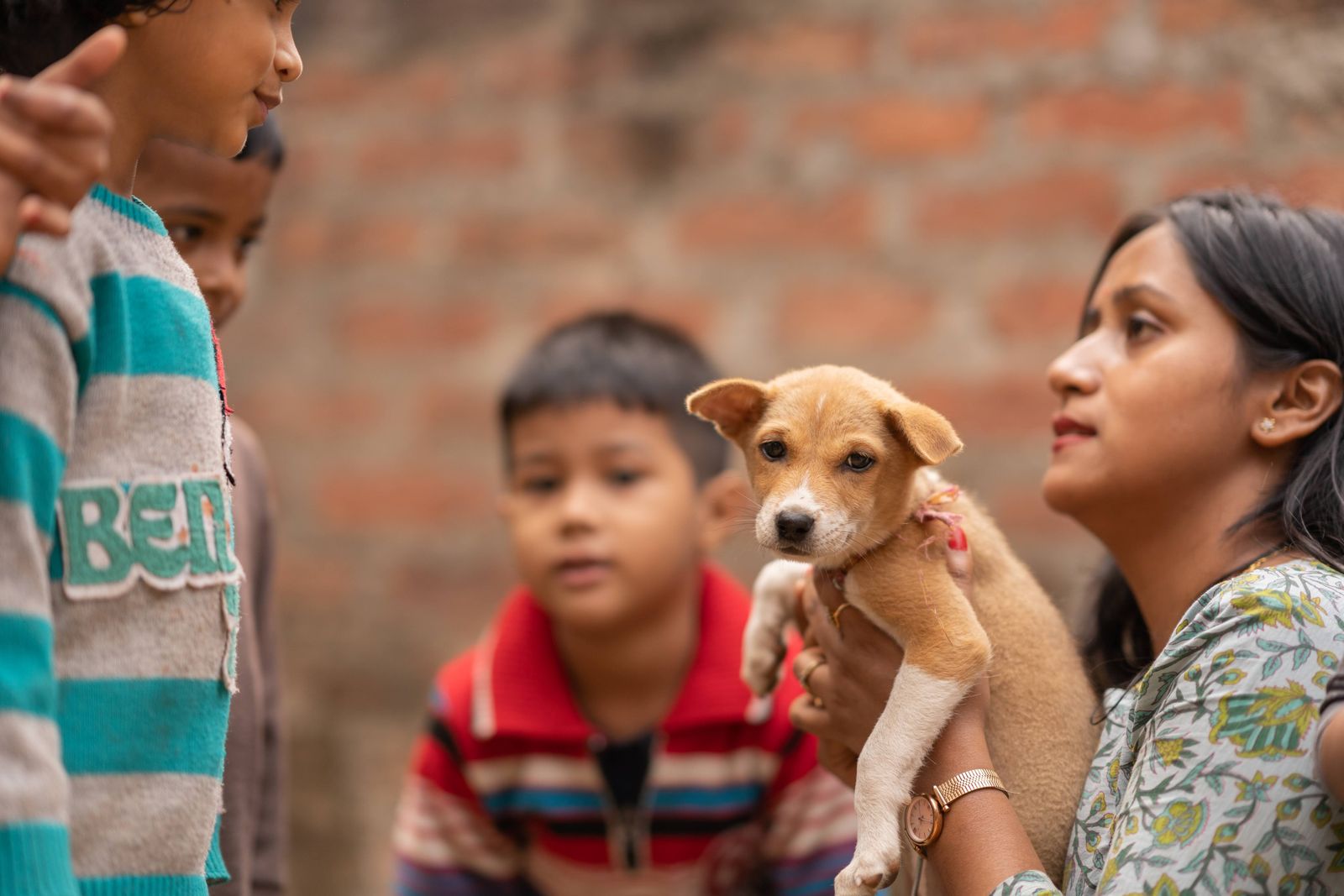
Photo by Pragyan Bezbaruah under the Pexels License.
A bite can happen even when a dog is familiar or usually gentle. The CDC notes that any dog can bite, so prevention starts with respecting a dog's situation rather than assuming breed, size, or past behavior tells the whole story.
Give dogs space at predictable pressure points
Do not disturb a dog while it is eating, sleeping, or caring for puppies. These are situations in which the CDC specifically recommends leaving the dog alone. Make that rule simple for children: no touching, hugging, climbing on, or approaching a dog during these times. Adults should help children follow it, especially when the dog and child are in the same space.
Keeping a dog's rabies vaccination current is also part of prevention. Avoid unfamiliar animals, and do not encourage a child to approach a dog simply because it appears friendly. The available guidance does not provide a complete body-language checklist for deciding whether a dog wants contact, so there is not enough evidence here to assign meaning to every tail, ear, or posture change. When you are unsure, distance is the safer choice.
When an unfamiliar dog comes near
Stay calm and still rather than running. The CDC gives this as the response around an unfamiliar dog. Running can turn an uncertain encounter into a chase, while remaining still avoids adding that movement to the situation.
Keep the same principle in mind during greetings: do not move toward an unfamiliar animal if you do not know its vaccination status or how it will respond. If children are present, an adult can focus on keeping them from disturbing or approaching the dog while everyone stays calm and still.
This guidance is intentionally limited. The supplied sources do not establish a detailed set of signals for when a dog is about to bite, nor do they describe a universal technique for physically separating a dog from a person. Avoid adding risky steps that are not covered by the guidance.
After a bite: clean, assess, and report
Wash the bite with soap and water. Then seek medical care for a serious wound. The sources do not define “serious” with a list of wound measurements or symptoms, so a reader should not rely on this article to decide that a concerning injury is minor.
Contact a healthcare professional or public-health professional promptly after a bite. Share the details about the animal and its vaccination status if that information is available. This contact is important because rabies exposure requires urgent assessment, and health professionals can assess rabies and tetanus risk. Reporting the incident also allows the appropriate risk assessment to take place.
If the animal is unfamiliar, do not treat uncertainty about its vaccination status as reassurance. The CDC recommends avoiding unfamiliar animals and contacting healthcare or public-health professionals promptly after a bite. The supplied guidance does not provide local reporting numbers, legal deadlines, or instructions for capturing or restraining an animal, so those details must come from the relevant local authorities or professionals.
A useful family rule is straightforward: leave dogs alone while they eat, sleep, or care for puppies; stay calm and still around unfamiliar dogs; keep rabies vaccination current; and after any bite, wash the wound, seek care for a serious injury, and promptly contact healthcare or public-health professionals.
Every dog is different. This is general information, not a diagnosis or treatment plan. Ask your veterinarian about individual health, diet, and supplement decisions.