What to Put in a Dog First Aid Kit for Home and Travel
Build a simple dog first aid kit with wound supplies, contact details, records and safe transport items. Here is what to pack and how to use it while veterinary help is being arranged.
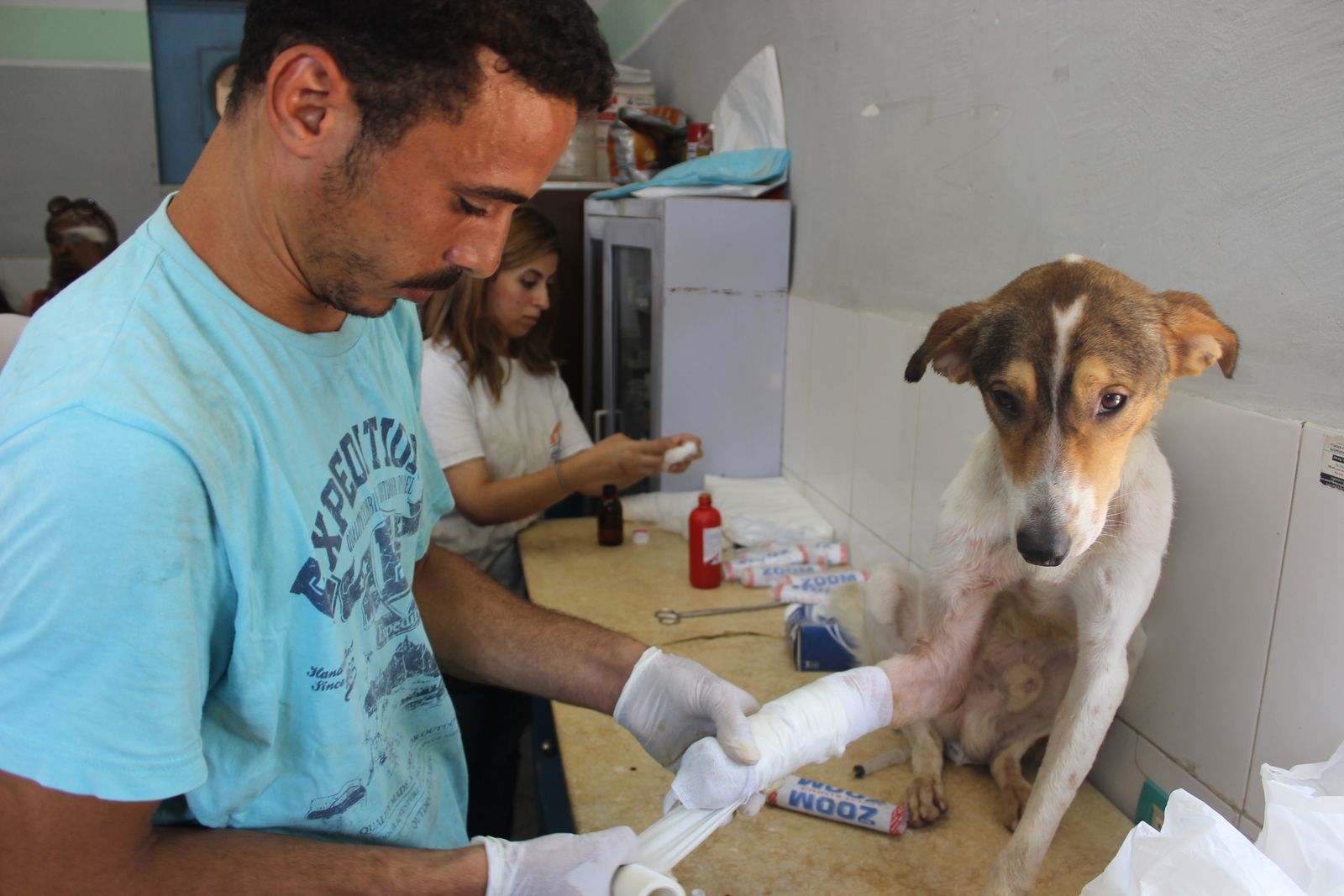
Photo by Ahmed Hamed Aly under the Pexels License.
A dog first aid kit is most useful when it helps you stay organized during an unexpected problem. It should give you basic supplies, important information and a safe way to move your dog. It is not a substitute for veterinary care, diagnosis or treatment.
Start with the information you may need quickly
Keep these items together in a waterproof pouch or container:
- Your regular veterinarian's phone number
- The phone number for a nearby emergency clinic
- Your dog's medical records
- A current photo of your dog
- A list of your dog's medications
Store the contact numbers in your phone as well as in the kit. If an injury or illness occurs, call your veterinarian or an emergency clinic and describe what happened. Keep the kit where every adult in the household can find it, and check the information from time to time so the numbers and records remain current.
Medical records can help a veterinary team understand your dog's history. A medication list gives them information to consider when advising you. The kit cannot tell you which care your dog needs, so professional guidance remains important.
Core supplies for a home kit
The American Veterinary Medical Association and the American Red Cross list these practical additions:
- Disposable gloves
- Gauze
- A clean cloth
- An elastic bandage
- Saline
- Styptic powder
- A digital thermometer
- Clippers
- A light
Gloves provide a cleaner barrier while you handle supplies. Gauze and a clean cloth are basic wound supplies that can be available while you contact a veterinary professional. An elastic bandage is another listed wound-care item, but it should not become an excuse to improvise a complicated treatment. If you are unsure how to use any bandage, ask the veterinarian or emergency clinic for instructions before applying it.
A light can help you see what you are doing when the area is dim. Clippers, saline, styptic powder and a thermometer should stay with the other supplies so they are available if a veterinary professional advises their use. Do not let the presence of these items delay a call for help, and do not assume that having a thermometer or wound supplies explains the cause of a problem.
Add a safe transport plan
Include a leash and a carrier if your dog can use one safely. The AVMA also identifies a box, board or blanket as possible transport aids for an injured animal. Choose what fits your dog's size and the situation. A blanket may help you move an injured dog; a carrier can provide a contained way to transport a dog who fits inside it.
Keep transport supplies close to the kit rather than buried in a cupboard. Before an emergency, identify how you will get to your regular veterinarian or emergency clinic and who can help with transport if you cannot drive.
Make a smaller travel version
A full home kit is useful, but a compact travel kit is easier to carry on walks, road trips or visits. The Red Cross recommends keeping a smaller travel kit and bringing emergency contacts, medications, photos, food, water, a leash or carrier and basic supplies together.
Pack the items in a labeled bag and keep it with your dog's travel belongings. Replace used or damaged supplies and check that records and contacts are still accurate.
If your dog is injured or suddenly unwell, call a veterinarian or emergency clinic promptly. Use the kit only for the limited support you are instructed to provide, and use the leash, carrier, box, board or blanket to transport your dog safely. A well-packed kit helps you prepare, but professional care is still the essential next step.
Further reading & sources
Pet First Aid Checklist - AVMA ↗Pet First Aid and Emergency Planning - American Red Cross ↗Every dog is different. This is general information, not a diagnosis or treatment plan. Ask your veterinarian about individual health, diet, and supplement decisions.