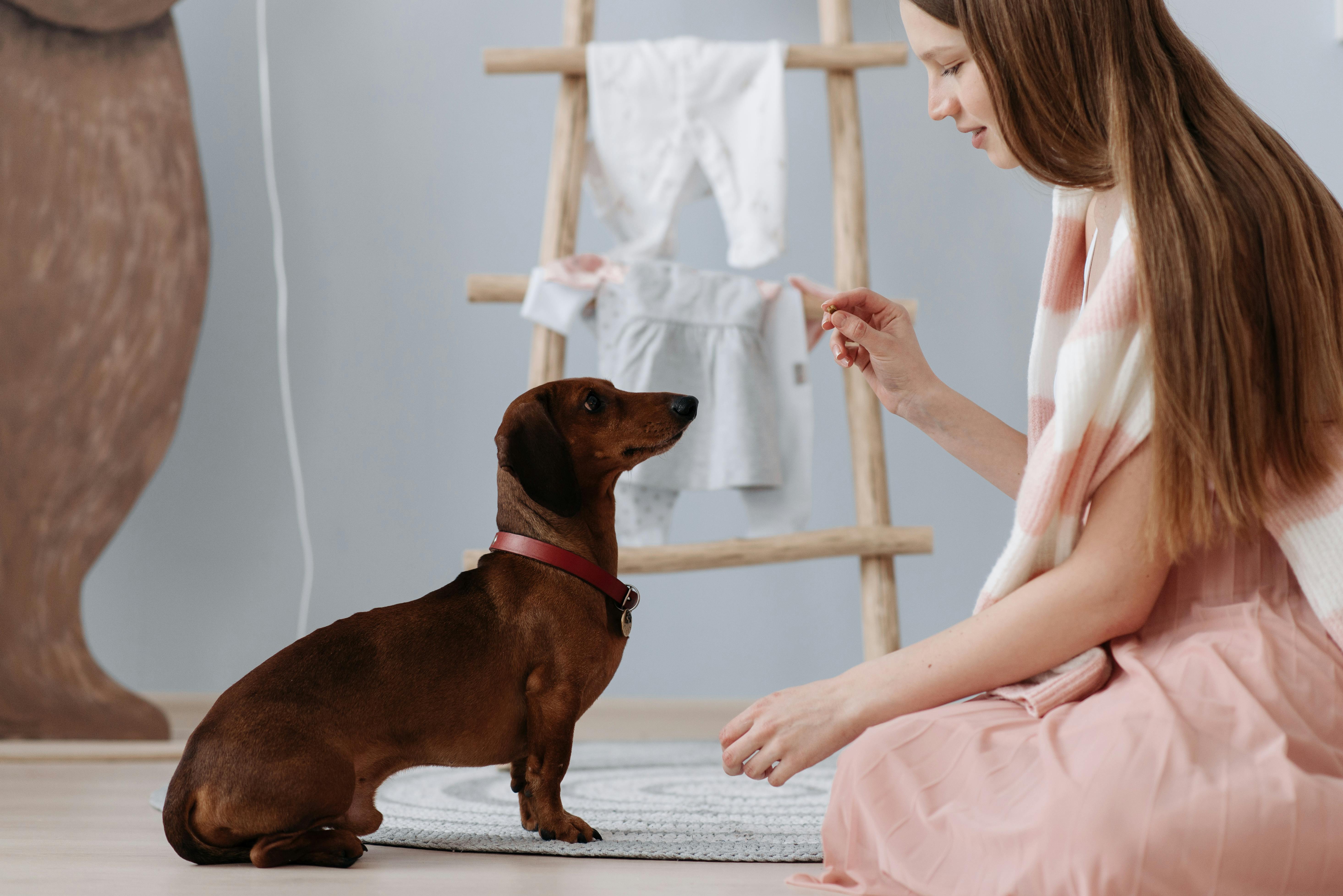
When a Dog Suddenly Refuses Walks Outside
A sudden change in walking behavior can have a medical or behavioral cause. Learn how to pause the pressure, look for clues, and rebuild outdoor confidence gradually.
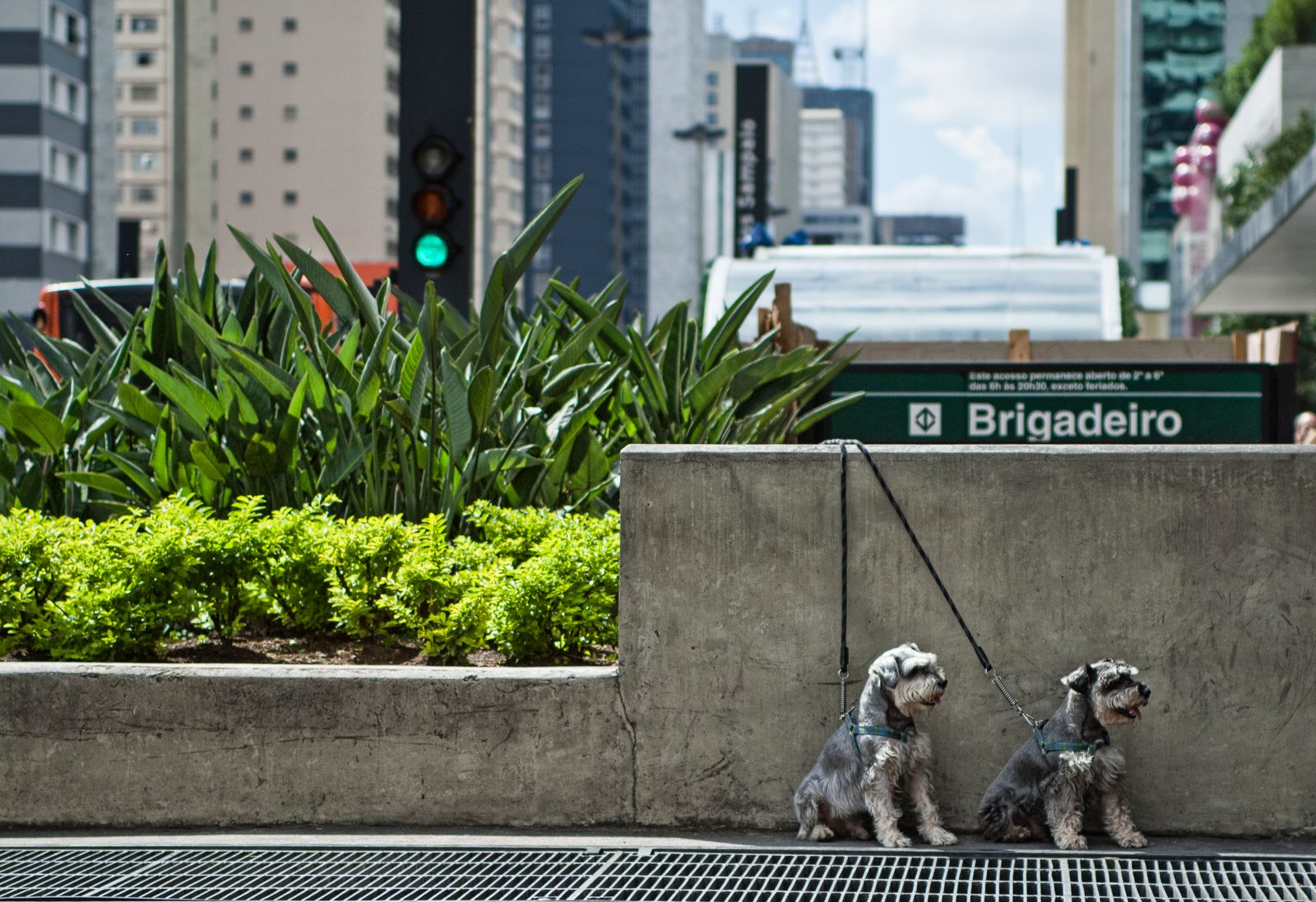
Photo by Deca Zafra under the Pexels License.
A dog who suddenly refuses to go outside is telling you that something has changed. The cause may be connected to a frightening outdoor event, but it may also involve pain, a mobility change, sensory decline, or another illness. Because a new behavior can have a medical cause, it is worth discussing the change with your veterinarian rather than treating it as a training problem alone.
Start by taking the change seriously
Think about when the refusal began and whether it appeared abruptly or built over time. Notice whether your dog hesitates at a particular point, such as the door, steps, driveway, or a familiar route. Also pay attention to changes in movement or comfort. Pain and mobility changes can contribute to new behavior problems, according to VCA Animal Hospitals, so a veterinary history and examination can help rule out medical factors.
This does not mean that every reluctant dog is ill. It does mean that a sudden difference from your dog's usual behavior should not automatically be labeled stubbornness or anxiety. A veterinarian can help determine whether health concerns need attention before you focus on behavior work.
Look for an outdoor trigger without pushing closer
If your veterinarian does not identify a medical explanation, consider what may have changed outside. The American Kennel Club recommends identifying possible triggers for walk-related fear. A trigger might be associated with a particular place, sound, sight, or event, but the available guidance does not establish which one is affecting an individual dog.
Watch from a comfortable distance rather than moving your dog toward the suspected trigger. If your dog becomes tense or refuses to continue, increasing distance and ending the outing can prevent the situation from becoming more difficult. The goal at this stage is information, not completing a certain route.
Keep notes about what happens before the refusal and what your dog does afterward. For example, record the location, the point where your dog stops, and whether the same response happens on different outings. These observations can give you and your veterinarian or behavior professional a clearer starting point. They cannot diagnose the cause on their own.
Rebuild the outing in small pieces
Forcing repeated exposure can worsen walk-related fear. Instead, the AKC recommends brief outings, greater distance from triggers, rewards, and gradual reintroduction. Begin at a distance or in a setting where your dog can remain comfortable. Reward calm participation, then finish before the dog becomes overwhelmed.
Progress does not have to mean walking farther each time. It may mean calmly approaching the door, standing outside briefly, or spending a short period in a quiet area. Keep the step small enough that your dog can manage it. If refusal or fear returns, create more distance or return to an easier step rather than insisting.
Avoid turning the doorway into a contest. Pulling, dragging, or repeatedly forcing a fearful dog forward may increase the fear associated with walks. A gradual plan gives your dog opportunities to experience the outdoors without being pushed past a comfortable limit.
Know what this approach cannot answer
A change in walking behavior alone cannot tell you whether the cause is pain, illness, sensory change, fear, or a specific outdoor trigger. The supplied guidance also does not provide a universal timeline for improvement. Veterinary evaluation and careful observation are important first steps, while brief, reward-based reintroduction can help address fear when medical causes have been considered. Let your dog's comfort, rather than a fixed distance or schedule, guide the next outing.
Further reading & sources
Working Through Walk Anxiety in Dogs - American Kennel Club ↗Behavior Counseling: Is It Medical or Behavioral? - VCA Animal Hospitals ↗Every dog is different. This is general information, not a diagnosis or treatment plan. Ask your veterinarian about individual health, diet, and supplement decisions.