When the Vacuum Scares Your Dog: A Room-by-Room Plan
A gradual, low-pressure routine for managing vacuum fear and teaching your dog that the machine's sight, sound, and movement are safe.

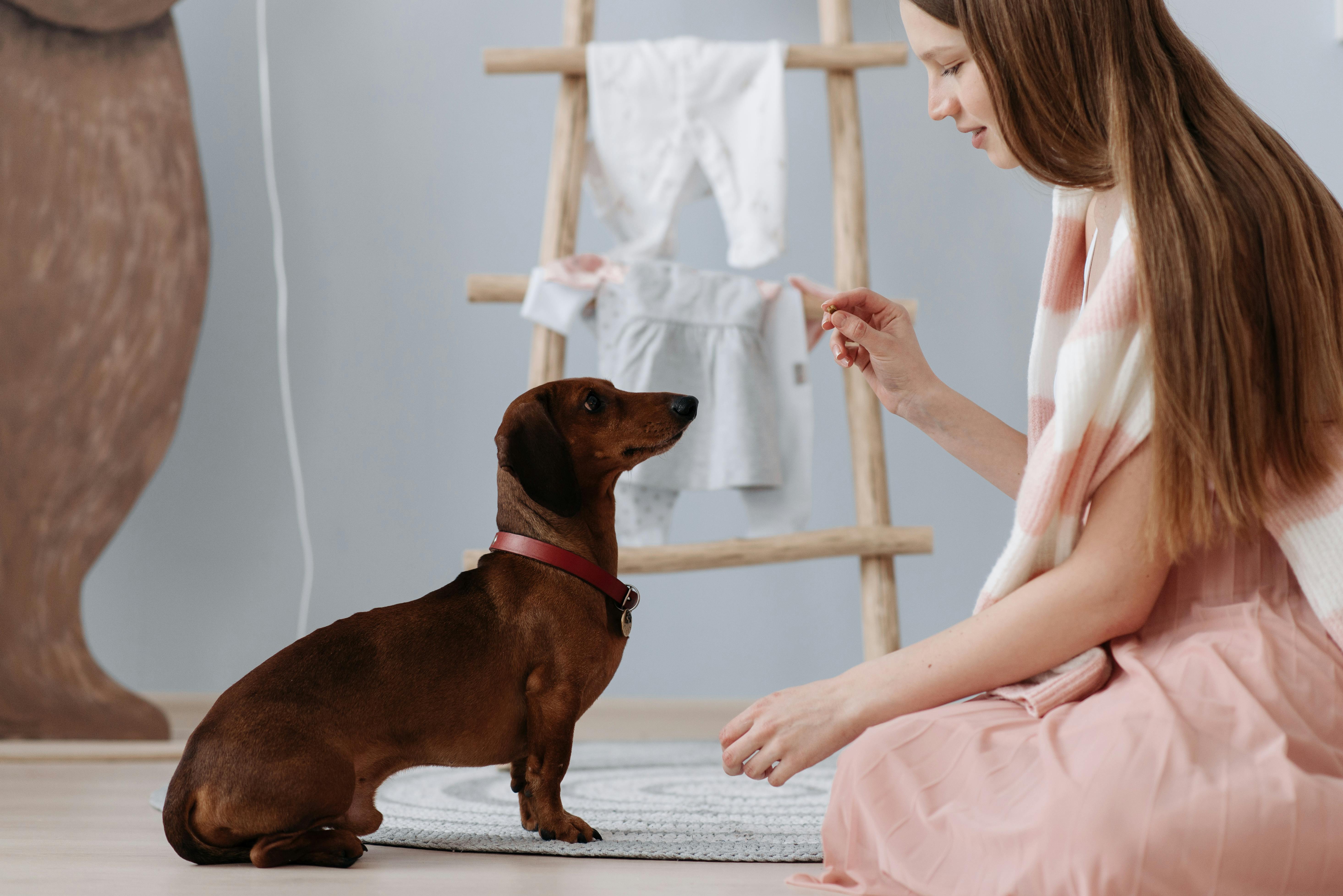
Photo by Helena Lopes under the Pexels License.
A vacuum can be loud, unpredictable, and strangely mobile from a dog's point of view. If your dog bolts, barks, lunges, hides, or urinates when it appears, the priority is not obedience. It is helping your dog feel safe while preventing another frightening rehearsal.
Start by separating cleaning from training. When you genuinely need to vacuum, place your dog in a comfortable room before the machine comes out. Close the door, add familiar bedding, and offer a safe favorite activity if your dog can enjoy it. For a dog who is already panicking, this management step is kinder and more useful than trying to train while finishing the floor.
Notice the earliest signs
Fear does not begin only when a dog runs away. Watch for a closed mouth, lowered body, tucked tail, ears held back, lip licking, panting, freezing, pacing, or refusing food. Barking and chasing can also come from distress or over-arousal rather than confidence.
Use the first small change as your signal to reduce the challenge. Increase distance, stop moving the vacuum, lower the sound, or end the session. AAHA behavior guidance distinguishes gradual exposure below the level that triggers fear from flooding, where the animal is exposed intensely and cannot escape. Flooding can worsen distress and should be avoided.
Split the vacuum into separate puzzles
Dogs Trust recommends introducing the vacuum's sight, sound, and movement in stages. Your dog does not need to handle all three at once.
Try this progression over many short sessions:
- Leave the unplugged vacuum stationary across the room. Reward your dog for calm observation, choosing to approach, or simply continuing a relaxed activity.
- Move it a few inches while it remains off. Stop before your dog becomes tense.
- Have another person switch it on in a distant room for a brief moment. Pair the faint sound with something your dog values.
- Gradually reduce the distance only while your dog stays comfortable.
- Later, combine quiet movement with sound at a generous distance.
A reward can be food, play, or another activity your dog genuinely enjoys. Do not lure a worried dog closer than they want to go. Voluntary distance is useful information, not a failure.
Build an everyday exit route
Choose a mat, bed, or separate room away from your usual cleaning path. Practice going there when the vacuum is absent, then reward settling. Once that place is familiar, bring out the unplugged machine at a distance while your dog uses the station.
During early sessions, keep a clear route away from the vacuum. Do not corner your dog, chase them with the nozzle, or laugh while moving it toward them. If your dog rushes the machine, stop its movement and redirect to a safer activity rather than turning the encounter into a game.
Know when to pause the plan
Cornell's veterinary guidance recommends avoiding forced confrontations and increasing exposure only below the level that produces fear. A sudden new sensitivity can also deserve a health check, especially if it appears with changes in movement, hearing, sleep, or behavior.
Contact your veterinarian if the reaction is severe, getting worse, includes attempts to bite, or prevents normal life. Dogs Trust also advises veterinary review for extreme fear or excitement and a referral to an accredited behavior professional when needed.
Progress may look modest at first: staying in the room with the vacuum off, hearing it faintly without hiding, or choosing the safe mat. Those are meaningful steps. The aim is not to make your dog love housework. It is to make the routine predictable enough that cleaning no longer feels like an emergency.
Further reading & sources
How to introduce a vacuum cleaner to your dog - Dogs Trust ↗Changing behaviors - American Animal Hospital Association ↗Fearful dogs - Cornell University College of Veterinary Medicine ↗Every dog is different. This is general information, not a diagnosis or treatment plan. Ask your veterinarian about individual health, diet, and supplement decisions.