When Your Dog Eats Grass: What to Watch and When to Call
Grass eating can be ordinary or part of a concerning pattern. Use this observation checklist to reduce hazards and know when veterinary advice matters.
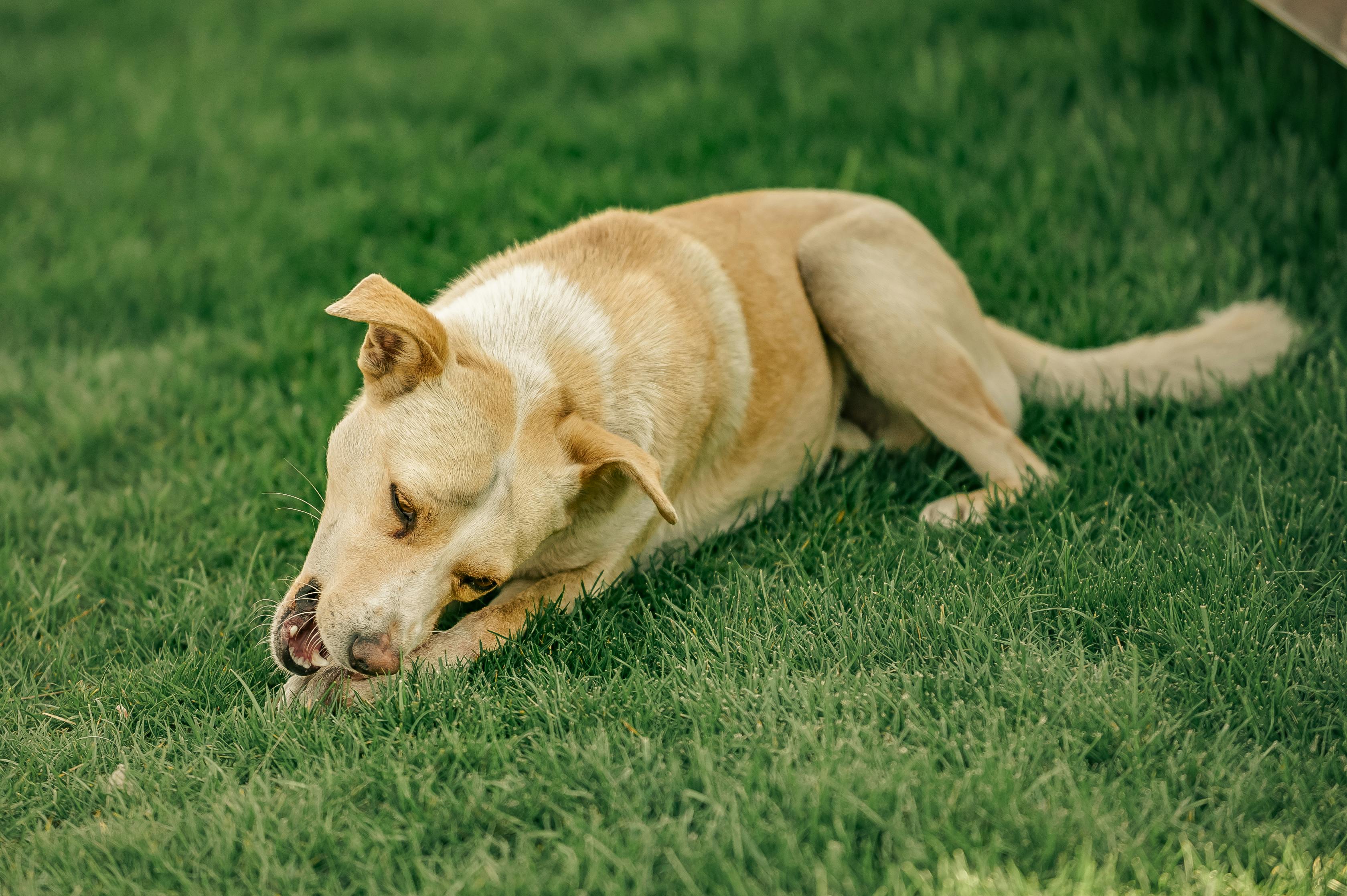
Photo by Alexander Nadrilyanski under the Pexels License.
Seeing your dog nibble grass can be ordinary, but the useful question is not simply "Why?" It is whether the behavior is occasional and uneventful or part of a new pattern involving vomiting, appetite changes, discomfort, or access to unsafe plants. Instead of relying on a single explanation, collect a few concrete observations and make the yard safer.
Start with the pattern, not a theory
For three to seven days, note when grass eating happens, how long it lasts, and what came before it. Record meals, treats, exercise, stool, vomiting, appetite, energy, and any recent diet or routine change. A short video can help when the behavior is hard to describe.
This record matters because eating nonfood material can have more than one possible cause. UC Davis advises careful observation of frequency, duration, and timing when investigating abnormal eating habits. It also recommends veterinary guidance when you are concerned about nutrition or the behavior itself. Grass eating alone does not prove that a dog has an upset stomach, a nutrient deficiency, anxiety, or any other specific condition.
Check the grazing area
Before allowing a nibble, identify what is growing there. Grass can sit beside poisonous ornamentals, mushrooms, sharp seed heads, animal waste, or recently applied lawn products. UC Davis warns that domesticated pets should not be trusted to avoid toxic plants instinctively; several common garden plants can cause serious illness.
Use barriers or a leash to prevent access to unknown plants and treated areas. Follow every lawn product's label about pets and re-entry. Pick up fallen plant material, inspect the route after mowing, and avoid letting your dog graze where you cannot verify what was applied. If you think a toxic plant or chemical was swallowed, contact a veterinarian or animal poison service promptly rather than waiting for symptoms or trying a home remedy.
Put vomiting in context
One episode is different from repeated vomiting. UC Davis notes that a single vomiting episode in an otherwise healthy adult pet who remains interactive, eating, and drinking may be monitored. Contact your veterinarian if the dog stops eating, becomes lethargic, or is not behaving normally.
Call sooner for repeated vomiting, blood, a swollen or painful abdomen, weakness, collapse, trouble breathing, suspected toxin exposure, or concern that something else was swallowed. Puppies, older dogs, and dogs with ongoing medical conditions may need a lower threshold for advice. Do not use this article to decide that a worrying episode is harmless.
Make the veterinary call useful
Bring your notes, a photo of the grazing area, your dog's food label, and a list of treats, supplements, and medications. Tell the clinic whether grass eating is new, increasing, frantic, or followed by vomiting or diarrhea. Mention changes in thirst, appetite, weight, stool, sleep, or activity.
Ask what should be monitored at home, what signs should trigger urgent care, and whether the diet or a medical issue needs review. Avoid changing several things at once before the appointment; multiple changes can make the pattern harder to interpret.
Redirect without a struggle
When the area is questionable or your veterinarian recommends preventing grazing, calmly move away and reward your dog for following. Offer an appropriate sniffing route, play, or another safe activity. Environmental enrichment can help redirect unwanted consumption, but it does not replace investigation of a new or persistent pattern.
The practical goal is not to invent one universal reason dogs eat grass. It is to distinguish an occasional behavior from a change that deserves attention, reduce exposure to hazards, and give your veterinary team a clear record to work from.
Further reading & sources
Abnormal Eating Habits in Dogs ↗Guide to Pet Emergencies ↗When Plants and Animals Don't Mix ↗Every dog is different. This is general information, not a diagnosis or treatment plan. Ask your veterinarian about individual health, diet, and supplement decisions.