Why Your Dog Seems Different After Grooming
A change in behavior after grooming may reflect fear, discomfort or skin irritation. Learn what to observe, when to contact the groomer or veterinarian, and how to make future sessions easier.

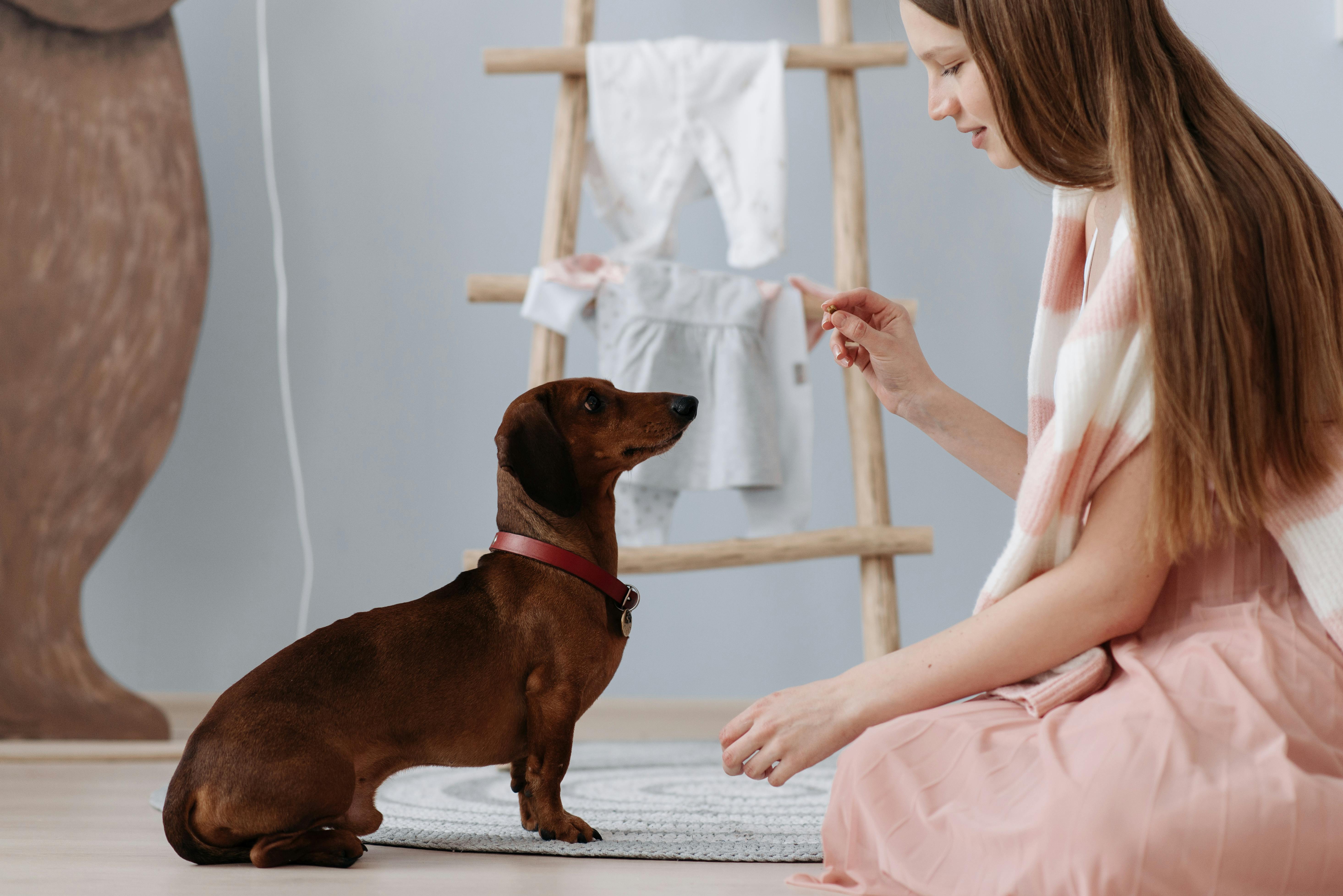
Photo by Goochie Poochie Grooming under the Pexels License.
A dog who seems different after grooming may be reacting to the experience rather than showing a lasting change in personality. Brushing, nail care and other handling can be frightening, especially if a dog has previously experienced painful or upsetting handling. Sensitive skin or existing discomfort can also make grooming harder to tolerate.
The useful first step is to observe rather than assume. Look at your dog's behavior and physical reactions after the appointment. Signs of fear during grooming can include trembling or cowering. A dog who flinches or reacts strongly when touched may be experiencing pain or discomfort, rather than simply feeling unsettled by the visit. Watch for signs of skin irritation that could be connected to grooming products.
Separate stress from a physical reaction
A worried dog may appear unusually withdrawn or fearful after being handled. That response deserves patience, not punishment. Avoid forcing your dog into more handling while they are showing distress. The ASPCA also advises avoiding force during nail care, and recommends seeking help from a veterinarian or a qualified behavior professional when distress or aggression persists.
Physical reactions call for a different response. If your dog flinches, reacts strongly to touch, or you notice possible skin irritation, ask a veterinarian about the reaction. The American Kennel Club notes that a strong response to brushing can be linked to possible pain, and recommends discussing that possibility with a veterinarian. A veterinary assessment can help address discomfort rather than treating the behavior as stubbornness or bad manners.
When to contact the grooming salon
Contact the groomer when you need details about what happened during the visit or which grooming products were used, particularly if your dog is showing a reaction you did not expect. Share the specific behavior you observed, such as trembling, cowering, flinching or a strong response to touch. Clear observations are more useful than a general description that your dog was acting strange.
If the concern involves ongoing distress, aggression or possible pain, do not rely on a grooming adjustment alone. The ASPCA advises seeking veterinary or qualified behavior help when distress or aggression persists. A veterinarian is also the appropriate person to consult about possible pain or a physical reaction.
Make the next session less difficult
Future handling should begin with your dog's reactions in mind. The AKC recommends starting with short, gentle brushing sessions and observing how the dog responds. This approach can help avoid pushing through fear or discomfort. If your dog has a history of frightening or painful handling, sensitive skin or discomfort, share that information with the groomer before the next appointment.
During grooming, pay attention to early signs of fear rather than waiting for a stronger reaction. Trembling, cowering, flinching or a sudden strong response are signals to pause and reassess. Do not force the dog through the handling. If distress or aggression continues, involve a veterinarian or qualified behavior professional.
A post-grooming behavior change should not be dismissed, but it also does not automatically identify a single cause. Careful observation can help you decide whether the main concern is fear, possible skin irritation or possible pain. When the signs are strong, persistent or physical in nature, professional guidance is the safest next step.
Further reading & sources
Why Does My Dog Dislike Being Brushed? - American Kennel Club ↗Dog Grooming Tips - ASPCA ↗Every dog is different. This is general information, not a diagnosis or treatment plan. Ask your veterinarian about individual health, diet, and supplement decisions.